
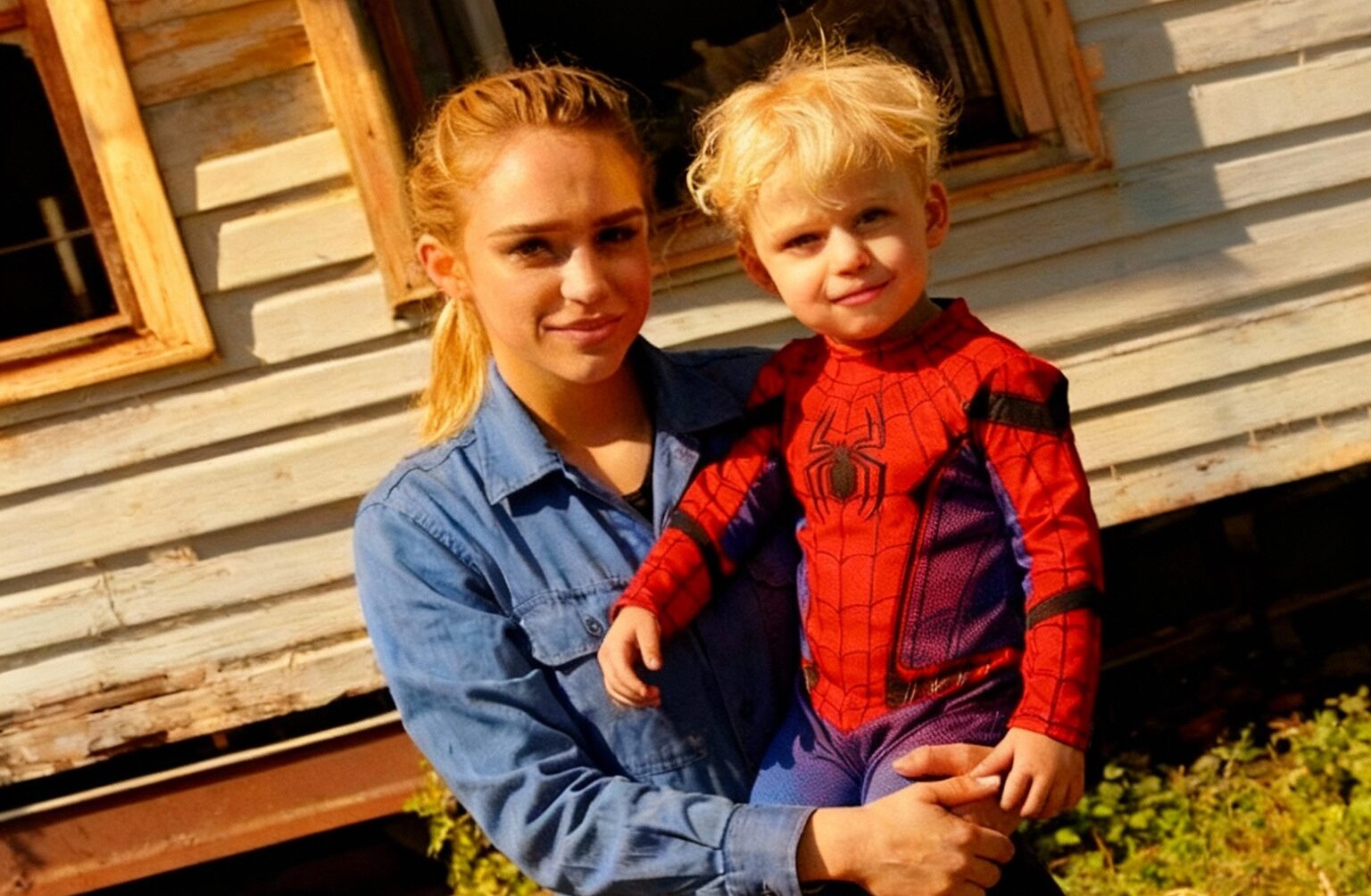
I was only sixteen when volunteering at a local community outreach center introduced me to Marisol, a quiet pregnant woman who came and went without ever asking for more than she needed. She avoided shelters, spoke gently, and carried herself with a dignity that made her impossible to forget. When her son Noah was born, I watched from the sidelines as she did everything she could to protect him despite having so little. For four years, they appeared and disappeared from the center like shadows—until one devastating afternoon when Marisol was killed in a sudden accident, leaving behind a four-year-old boy clutching a toy truck and looking at me as if I were the last familiar face in the world.
What followed was a decision I was never prepared to make. Child services stepped in, foster care was discussed, and Noah quietly begged not to be sent away. I was young, broke, still in college, and completely unqualified—yet I couldn’t walk away. After months of paperwork, fear, and second-guessing myself, I adopted him. Noah grew into a thoughtful, polite child who never complained, never asked for much, and seemed grateful just to belong. I told myself he was simply easygoing, unaware that what I saw as maturity was actually something far more fragile taking root.
Years later, after I married my husband Caleb, small details began to surface. Noah turned down opportunities, avoided attention, and never asked for help. One evening, Caleb found a folder hidden in Noah’s room—inside were teacher recommendations, permission slips never signed, and handwritten notes explaining why he didn’t deserve them. There were budgets outlining how much he “cost,” plans for leaving quietly, and a worn page titled “Rules,” written in a child’s handwriting: Don’t be loud. Don’t need too much. Don’t make people choose. Noah had been living as if love was temporary and conditional, preparing himself to disappear before he could be rejected.
That night changed everything. Sitting on the floor with him, I realized that love isn’t just providing safety—it’s making sure someone knows they’re permanent. We tore up the old rules together and replaced them with new plans, ones that allowed Noah to take up space, dream openly, and believe he belonged without earning it. Healing didn’t happen instantly, but it began there. Looking back, I understand now that children who survive loss often carry invisible fears long after they’re safe. Love doesn’t erase the past—but when it’s spoken clearly and consistently, it can finally give someone permission to stop surviving and start living.

