
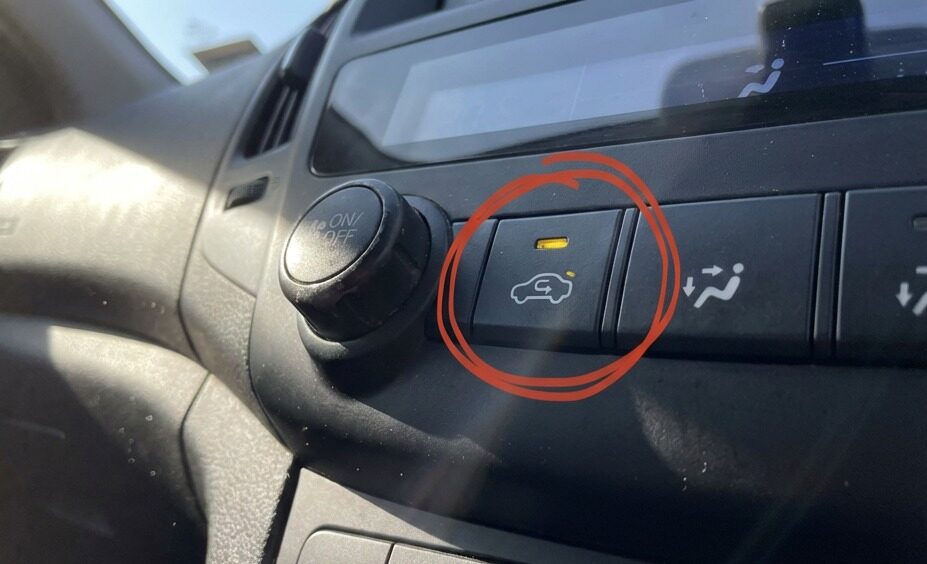
Understanding Your Car’s Air Recirculation Button
Many drivers notice the dashboard icon showing a car with a looping arrow, yet few truly understand its function. This symbol controls your vehicle’s air recirculation system, a feature that can significantly improve comfort and air quality when used correctly. Knowing when to switch it on or off can enhance your driving experience in hot weather, heavy traffic, or polluted areas.
When recirculation is off, the car’s ventilation system pulls in fresh outside air, filters it, and heats or cools it before circulating it inside the cabin. Turning recirculation on closes a small internal door, preventing outside air from entering and allowing the system to reuse air already in the vehicle. This creates a closed loop, making climate control more efficient under specific conditions.
Recirculation is particularly beneficial in hot weather, as cooling air that is already inside the car helps the cabin reach a comfortable temperature faster, reducing strain on the air conditioner. It is also useful when driving behind vehicles producing heavy exhaust, passing through areas with strong odors, or traveling on dusty roads. Drivers with seasonal allergies may find recirculation helpful for limiting pollen and other outdoor irritants.
However, continuous use is not recommended. In cold, rainy, or humid conditions, trapped air can increase moisture and fog windows, reducing visibility. During long drives, fresh air is preferable to maintain oxygen levels and reduce drowsiness. For optimal performance, replace your cabin air filter regularly, typically every 12,000 to 15,000 miles.
By understanding this small but important feature, drivers can maintain a safer, more comfortable, and healthier cabin environment year-round. Proper use of the air recirculation system is a simple step that makes a noticeable difference in both comfort and safety.