
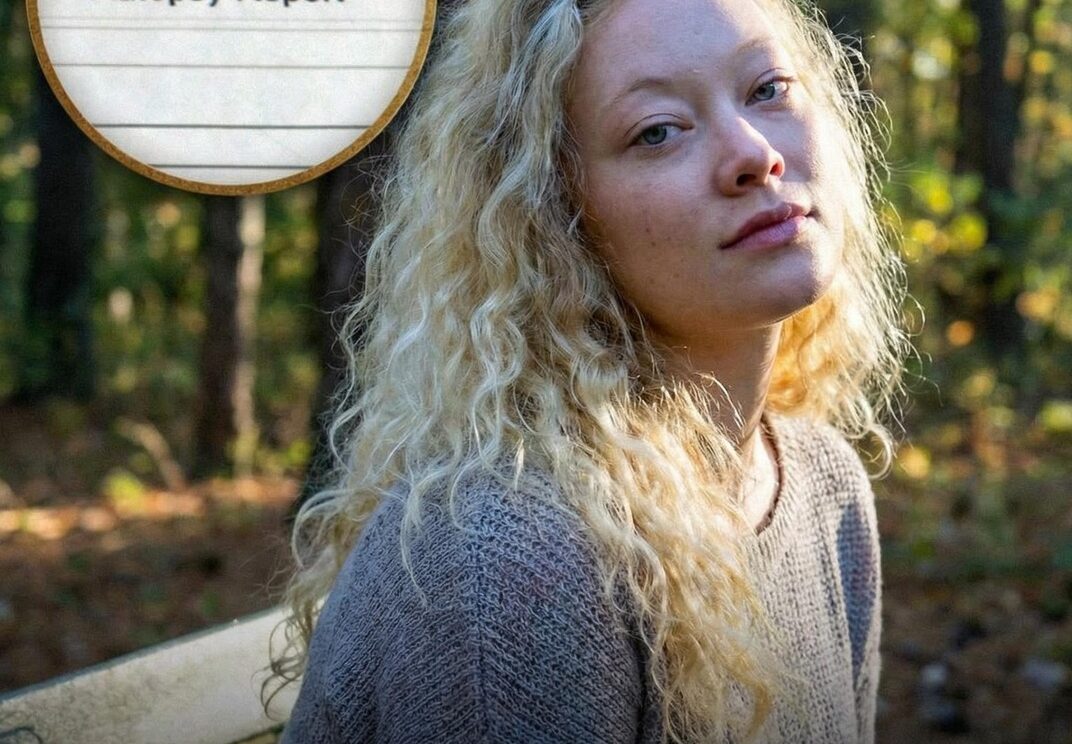
In early January, the life of Renee Good, a mother, partner, and creative spirit, came to a sudden and tragic end in Minneapolis. Her passing sparked national attention and deep community grief, raising urgent questions about what happened that winter morning. As federal authorities continue their investigation into the incident involving an Immigration and Customs Enforcement agent, preliminary medical findings and witness accounts have added new layers to an already painful narrative. While official reports remain pending, the emerging information has intensified calls for transparency, accountability, and clarity from both government agencies and legal representatives for Good’s family.
Attorneys working on behalf of Good’s loved ones have stated that an independent medical examination was conducted to better understand the circumstances surrounding her death. Though the full findings have not been released publicly, the family’s legal team says the results will play an important role in their ongoing civil inquiry. At the same time, federal investigators are reviewing evidence, video footage, and witness testimony. Officials have stated that the agent involved acted in self-defense, a claim disputed by local leaders and community members who argue that the situation reflects deeper tensions over enforcement operations in residential neighborhoods. As these parallel investigations unfold, public debate continues to grow, fueled by conflicting statements and unanswered questions.
Beyond the legal proceedings and political responses, those who knew Renee Good remember a woman defined by warmth, creativity, and devotion to her family. She was a writer, a mother of three children, and a partner who built a quiet life in her neighborhood. Friends and relatives describe her as compassionate, artistic, and deeply engaged in her children’s lives. She studied creative writing, loved music, and filled her days with storytelling, art, and home life. In the days following her death, photos, messages, and memories shared online painted a portrait of someone who found joy in ordinary moments — school drop-offs, shared meals, family laughter — the small rituals that suddenly became unbearably precious in hindsight.
Her death left a visible imprint on the community around her. Vigils were held near the site of the incident, where neighbors gathered in cold evening air to light candles, share stories, and offer support to her family. Many expressed shock that such an event occurred on familiar streets, near schools and homes. Local residents recalled seeing Good walking with her children, greeting neighbors, and building friendships in a place that now feels altered by loss. As her family mourns and investigators work toward conclusions, her story has become part of a broader national conversation about law enforcement practices, public safety, and the human cost of institutional decisions. Amid the noise of politics and procedure, those who loved her hold tightly to the memory of a devoted mother, a gentle soul, and a life that deserved many more chapters.

