
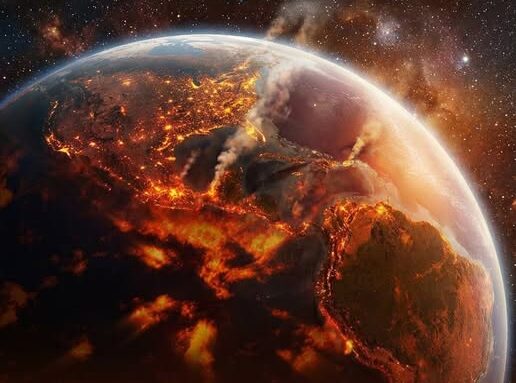
Whenever international tensions rise, many people begin wondering about worst-case scenarios and how the world might respond to extreme events. While such situations remain highly unlikely, researchers and security analysts sometimes study hypothetical outcomes to better understand global preparedness. In recent discussions about international conflicts and strategic stability, some experts have explored what the world might look like if a large-scale nuclear confrontation ever occurred—and which regions might be more capable of maintaining stability afterward.
These conversations resurfaced as geopolitical tensions in parts of the Middle East drew attention to broader global security questions. Analysts emphasize that despite political disagreements and regional conflicts, nuclear-armed nations maintain strong diplomatic frameworks and deterrence strategies designed specifically to prevent such catastrophic events. Military alliances, international treaties, and ongoing diplomatic communication all play a significant role in reducing the risk of escalation and encouraging peaceful resolution of disputes.
Still, researchers occasionally analyze theoretical models to understand how the planet’s environment and food systems might respond if large-scale disruptions occurred. Some studies suggest that global agriculture could be severely affected by environmental changes following a major conflict, which is why certain geographically isolated countries are sometimes mentioned in academic discussions. Nations with stable climates, strong agricultural capacity, and distance from major military powers—such as New Zealand and Australia—are occasionally highlighted in research as places that might be better positioned to maintain food production under extreme global conditions.
Other regions sometimes included in preparedness studies are countries with remote geography or strong domestic food production, including places like Iceland, Switzerland, Chile, and parts of southern Africa. Experts stress that these analyses are purely theoretical and designed to help governments understand resilience and long-term planning. The broader goal of such research is not to predict disaster but to strengthen international cooperation and preparedness so that global stability continues to be preserved.

