
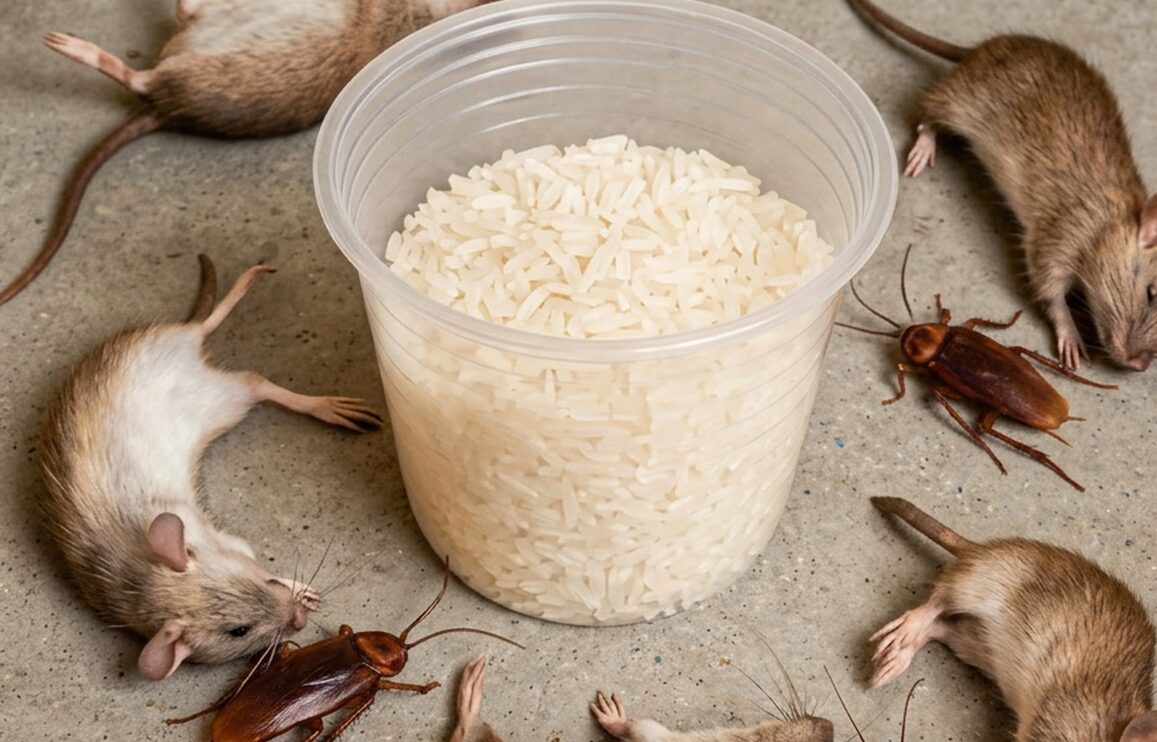
Dealing with pests such as rats and cockroaches can be frustrating, but addressing the problem does not always require strong chemicals or expensive treatments. Many households prefer practical, low-cost approaches that rely on common ingredients already found in the kitchen. Simple food-based mixtures can sometimes help attract pests to a specific area, making it easier to manage them while keeping the process affordable and straightforward. Using everyday ingredients responsibly can be one small step toward maintaining a cleaner, more comfortable home environment.
Rice is often mentioned in traditional household pest-control tips because it can attract certain pests due to its smell and texture. Both cooked and uncooked rice may be used as a base ingredient in simple bait mixtures designed to draw insects or rodents away from living spaces. Once pests are attracted to a designated spot, homeowners can more easily monitor activity and take appropriate steps to reduce the problem. While rice alone does not solve an infestation, it can serve as a useful component in simple bait strategies.
For example, some people prepare a cockroach bait by combining small amounts of cooked rice with sugar and a pest-control powder commonly used in household treatments. The sweet scent helps attract cockroaches, while the rice provides a texture that encourages them to feed. Small portions of the mixture can be placed in hidden corners such as behind appliances, inside cabinets, or under sinks where cockroaches often travel. Checking and replacing the bait regularly may help maintain its effectiveness and allow homeowners to monitor pest activity over time.
For rodent issues, other household mixtures are sometimes discussed in traditional home remedies that combine uncooked rice with ingredients intended to attract rats to baited areas. Some variations also include baking soda or other substances believed to interfere with rodents’ digestion once consumed. Regardless of the approach used, it is important to place any bait carefully and keep it away from children, pets, and food preparation areas. Maintaining cleanliness, sealing small entry points, and reducing accessible food sources are equally important steps in controlling pests. In many situations, combining these preventative habits with safe household methods can help reduce unwanted pests while creating a healthier living space.

