
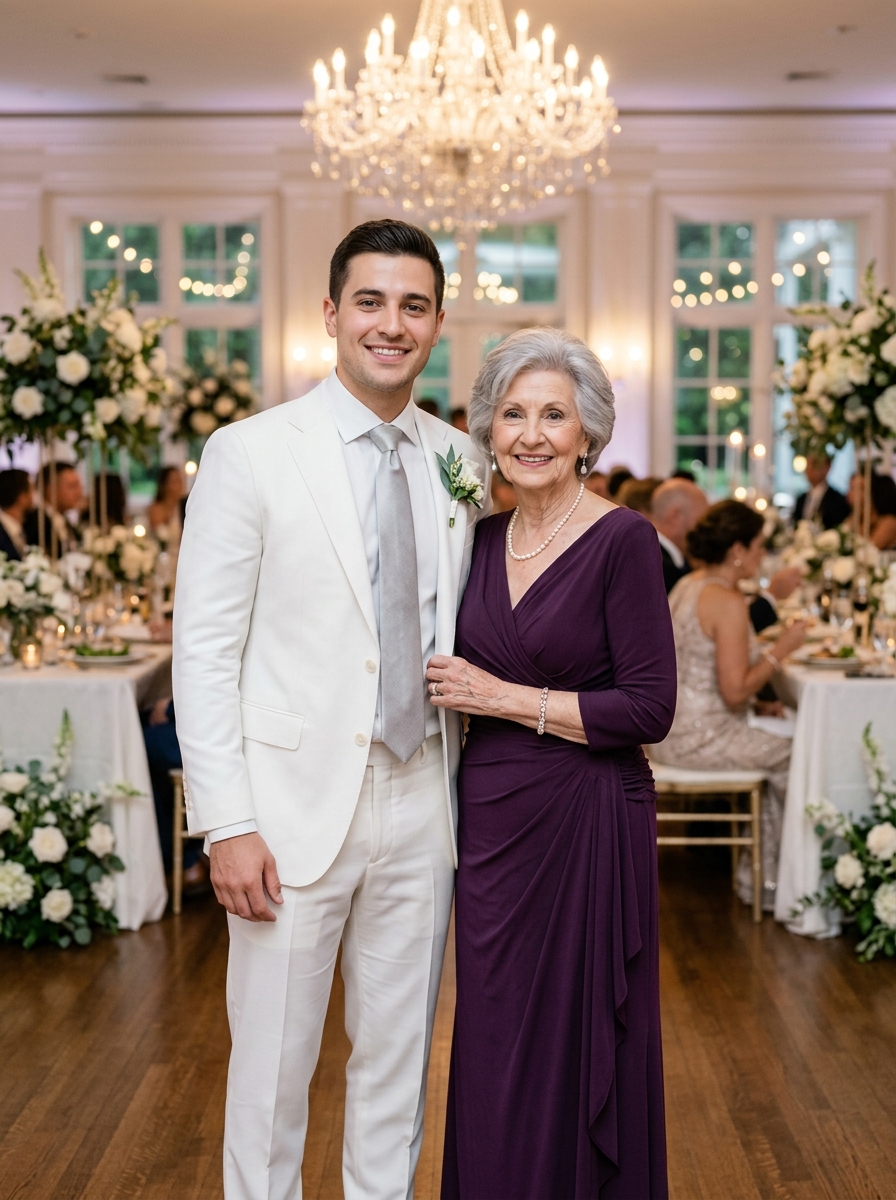
I spent years faking a marriage to a 71-year-old widow, counting down the days until I could inherit her wealth. But after her funeral, when her family laughed that I got absolutely nothing, her attorney handed me an old shoebox and said, “She told me this is what you truly wanted.”
The Marriage That Began as a Lie
When I married Margaret Whitmore, I was twenty-five, broke, drowning in debt, and sleeping in my pickup behind a grocery store. She was seventy-one, widowed, gentle, and owned a warm house in a quiet neighborhood. I didn’t marry her for love. I told myself I was surviving: stay a few years, act devoted, inherit something, and finally escape the life that had swallowed me.
My name is Caleb Rhodes, and back then, I saw Margaret less as a wife than as a countdown. Every doctor’s visit, every pill bottle, every tired breath reminded me that one day her house might be mine. It sounds cruel now because it was. But while I secretly waited for her life to end, she treated me with a kindness I had never earned. She cooked for me, bought me boots when mine fell apart, and left a thick coat by the door after noticing mine barely closed. “You’ll freeze in that,” she said, as if caring for me cost her nothing.
The Funeral and the Will
One morning, Margaret collapsed in the kitchen. Three days later, she was gone. At the funeral, her relatives looked at me with open disgust. They called me a gold digger and whispered that I had finally gotten what I wanted. Part of me believed they were right.
Then the lawyer read the will. The house went to Margaret’s niece. Most of her money went to charity. I received nothing. Before I could speak, the lawyer placed an old shoebox on the table. My name was written across the lid in Margaret’s careful handwriting.
“What is this?” I asked.
The lawyer looked at me calmly. “She said this is what you truly wanted.”
The Box of Truth
Inside the shoebox was not money, a deed, or a secret key. It was a photograph of me from three years earlier, standing beside my truck behind the grocery store. My beard was rough, my eyes hollow, the window cracked. Beneath it were more pictures: the shelter where I showered, the diner where I spent nights over cheap coffee, the places I hid when I had nowhere to belong.
Then I found an envelope with my name on it. The letter was dated six months before our wedding.
“Dear Caleb, if you are reading this, then I am gone. You probably think I never knew why you married me. But I knew.”
Those three words hollowed me out. Margaret had known from the beginning. She had seen through my forced smiles, my convenient affection, and every promise I made because I needed shelter more than love. Still, she had stayed.
She wrote that loneliness did not always make people blind. Sometimes it made them notice everything.
The Woman Who Saw Me
The next item was a faded blue notebook. Every page was about me. Margaret had written about the day we met, saying I smiled politely but watched every exit. She noticed I pretended not to be hungry. She noticed I thanked her too many times for small things because I was used to receiving nothing.
I had spent years believing I was using her. But the more I read, the less certain I became. She had not been recording my lies. She had been recording my pain.
Near the end, her handwriting grew shaky. Her final entries were smaller and softer. She wrote about hearing me laugh while fixing the fence and hoping I would hear that laugh more often. Then came the sentence that broke me: “I don’t think Caleb knows he deserves to be loved. Maybe someday he will.”
The Hidden Inheritance
The lawyer handed me one last envelope. Inside was a trust document naming me as the sole beneficiary. The amount was more than I had ever imagined. I asked if it was real. He said it was. Margaret had created the trust privately so no one would think I had inherited her wealth through the will.
Attached was one final letter.
She wrote that if I was reading it, I had stayed until the end, not because I had to, but because I could have left many times and didn’t. She admitted our marriage had not begun with love, but somewhere along the way, she had stopped feeling alone. I had sat beside her hospital bed, watched terrible movies with her, fixed the fence, planted flowers, and shoveled snow before she asked. To me, those had felt like obligations. To her, they had mattered.
“You spent years believing you were taking from me,” she wrote. “But you gave me something my money never could. You gave me company.”
The trust, she said, was not a reward or payment. It was a second chance. She wanted me to build the life I had always been searching for and remember her when I finally believed I deserved happiness.
For the first time, I cried not because I had lost money or opportunity, but because I had lost Margaret.
The Life She Left Behind
Years passed. I paid my debts, bought a modest home, and started a small construction company. Nothing flashy. Nothing extravagant. Just honest work and a life I once thought was impossible.
Three years later, I opened a housing program for people living out of their vehicles—the kind of people I used to be. Every resident received a welcome box with a blanket, a warm coat, a grocery gift card, and a handwritten note. It was the same quiet kindness Margaret had once given me.
Today, one photograph hangs in my office: the picture of my old truck behind the grocery store. People ask why I keep it there. I smile because they see a homeless man who got lucky. I see the day a lonely woman looked at a broken young man and recognized his worth before he could.
The greatest inheritance Margaret left me was not the money, the trust, or even the second chance.
It was the belief that someone selfish, damaged, and lost could still become someone better.
And that was worth more than everything she owned.

