
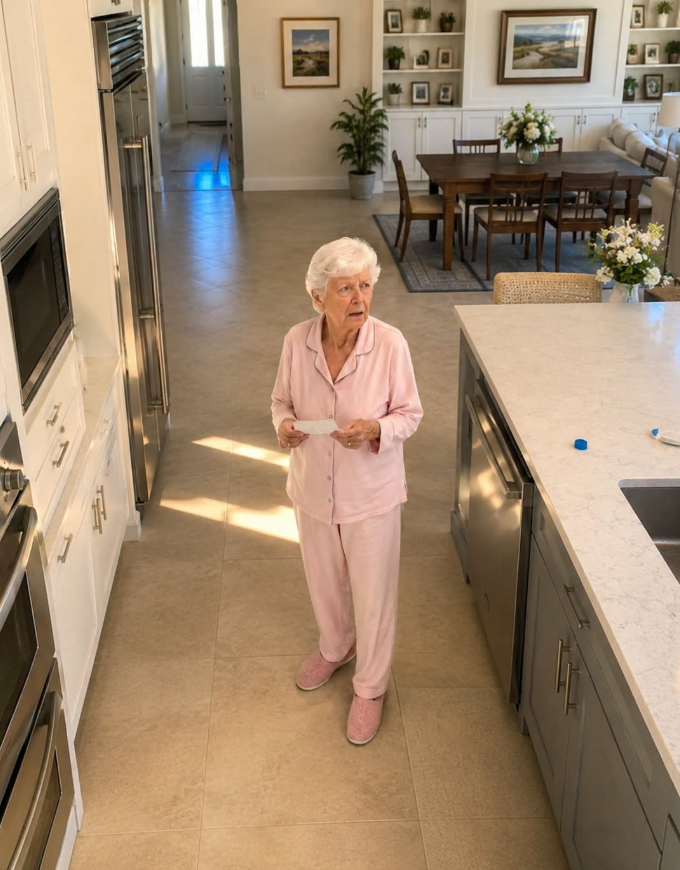
It was the silence that told me something was wrong long before I found the note. At seventy-three, Thanksgiving had always begun before sunrise, with coffee brewing, the turkey ready for the oven, and the excitement of another holiday surrounded by my son, his wife, and my grandchildren. That morning, however, the house felt strangely empty. The bedrooms were spotless, the coffee maker was cold, and both family cars were gone. On the kitchen counter sat a neatly folded note explaining they had left for a Thanksgiving vacation in Hawaii without telling me because they believed I “wouldn’t have liked the flight.” I read those words several times, expecting heartbreak to overwhelm me. Instead, I found myself quietly reflecting on the past few years, realizing that the loneliness I felt had not started that morning. It had been growing for much longer, hidden beneath the routine of always putting everyone else first.
After my husband passed away, my son invited me to live with his family, promising we would help each other through a difficult season of life. I gladly accepted, hoping to stay close to my grandchildren and enjoy a home filled with laughter again. I even helped pay for the larger house so everyone would have enough space. At first, everything felt exactly as promised. I watched the children, prepared meals, handled household chores, and quietly covered expenses whenever the family needed support. Their appreciation made me feel valued, so I never questioned how much I was giving. Gradually, though, gratitude turned into expectation, and I became someone they depended on without truly including. One evening, I overheard my daughter-in-law admit that while my financial help was important, she missed having the house to herself. Those words stayed with me, and the empty Thanksgiving house finally helped me understand what I had been unwilling to admit—I had become more useful than cherished.
The following morning, I made a calm decision that changed everything. I contacted a moving company, gathered the receipts I had carefully saved over the years, and packed every piece of furniture, appliance, and household item I had personally purchased. I wasn’t acting out of anger or seeking revenge. I was simply reclaiming what belonged to me and closing a chapter that no longer brought me peace. Before leaving, I placed the utility bills, the house keys tied with a ribbon, and the Thanksgiving note neatly on the kitchen counter. My new apartment at a senior community was smaller, but it immediately felt like home. Friendly neighbors welcomed me with kindness, and for the first time in years, I experienced the comfort of living in a place where I was appreciated simply for being myself. When my son and his wife returned, they were shocked to discover the nearly empty house, but my carefully organized receipts confirmed that every item I had taken had been purchased with my own money.
Months later, my life looked completely different. I made genuine friendships, rediscovered hobbies I had forgotten, and spent the next Thanksgiving surrounded by people who valued my company instead of my generosity. Although I still hoped my relationship with my son might someday heal, I no longer measured my worth by what I could provide for others. Looking back, I realized that the note left on the kitchen counter had become an unexpected turning point. What first felt like rejection became the moment I finally chose myself. The greatest surprise wasn’t reclaiming my belongings—it was rediscovering my confidence, my independence, and the peaceful life that had been waiting for me all along.