
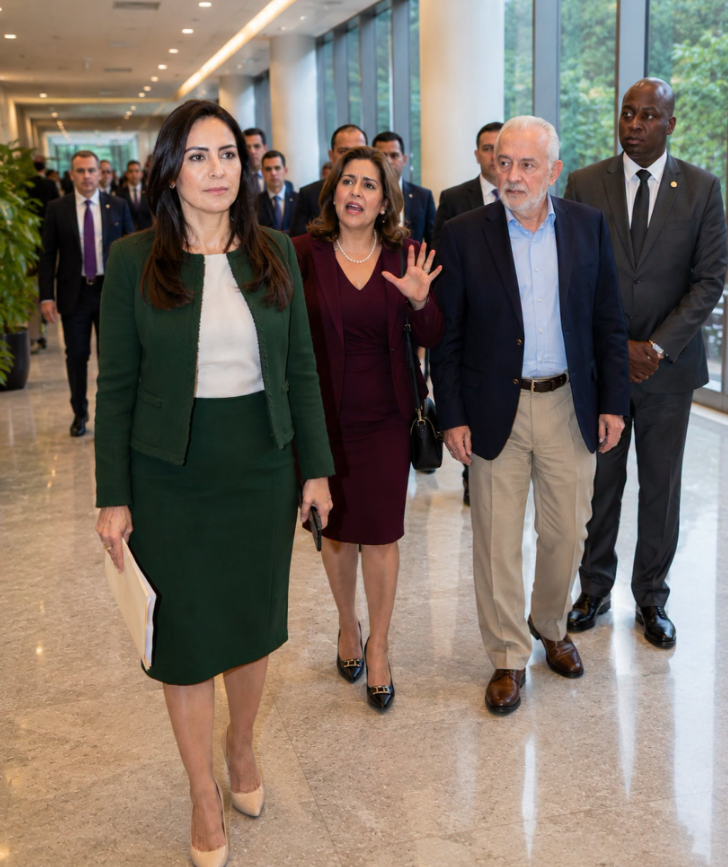
Mara never imagined she would be treated like a stranger in the hotel her late mother had helped build. She arrived at a charity gala wearing a simple navy dress and the pearl earrings her mother had treasured, expecting nothing more than a quiet evening. Instead, her stepmother, Celeste, looked at her with open disapproval and ordered security to remove her from the ballroom in front of the guests. Mara waited for her father, Richard, to speak up, but he remained silent. That silence hurt more than anything else. Without creating a scene, she calmly walked out, stood beneath the grand clock her mother had personally chosen years earlier, and made a single phone call to her attorney. In that quiet moment, she decided it was time to protect the future her mother had carefully planned long before anyone else knew what was truly at stake.
Years before her passing, Mara’s mother had placed the hotel, the land beneath it, and its financial reserves into a carefully designed trust with Mara as the rightful beneficiary. Mara had always intended to let her father continue managing the property because she believed family mattered more than ownership. But watching him stand by while she was publicly dismissed changed everything. That same evening, the legal transfer was completed, placing the hotel fully under the trust’s control. When Richard and Celeste rushed to Mara’s apartment demanding answers, she calmly explained that employees, guests, and business operations would continue without interruption. She also revealed documents showing unusual financial decisions connected to Celeste’s son, raising serious questions about how hotel resources had been managed. For the first time, everyone realized this situation involved much more than hurt feelings.
The following days brought difficult conversations and careful decisions. Mara reassured the hotel’s employees that their jobs, salaries, and daily operations were secure while bringing in experienced professionals to review finances and improve management. As records were examined, several questionable business arrangements came to light, confirming the need for greater oversight. Even Richard admitted he had signed documents without asking enough questions, allowing others to make decisions he should have reviewed more carefully. Although he sincerely apologized and hoped to remain involved, Mara explained that rebuilding trust would take time. She wanted the hotel to reflect the values her mother had lived by—honesty, responsibility, and respect for every employee who helped make the business successful.
When the legal review concluded, the trust documents fully supported Mara’s ownership, allowing the hotel to continue operating under its new leadership. Rather than focusing on revenge, she invested in long-overdue repairs, improved working conditions, and stronger financial safeguards that benefited both employees and guests. Her father gradually began earning back her confidence through consistent actions instead of promises, while the family slowly found a path toward healing. Standing alone in the beautifully restored ballroom one evening, Mara realized the greatest victory had never been about gaining control of the hotel. It was about honoring her mother’s legacy, protecting the people who depended on it, and proving that true leadership is measured by integrity, kindness, and the courage to stand up for what is right when it matters most.

