
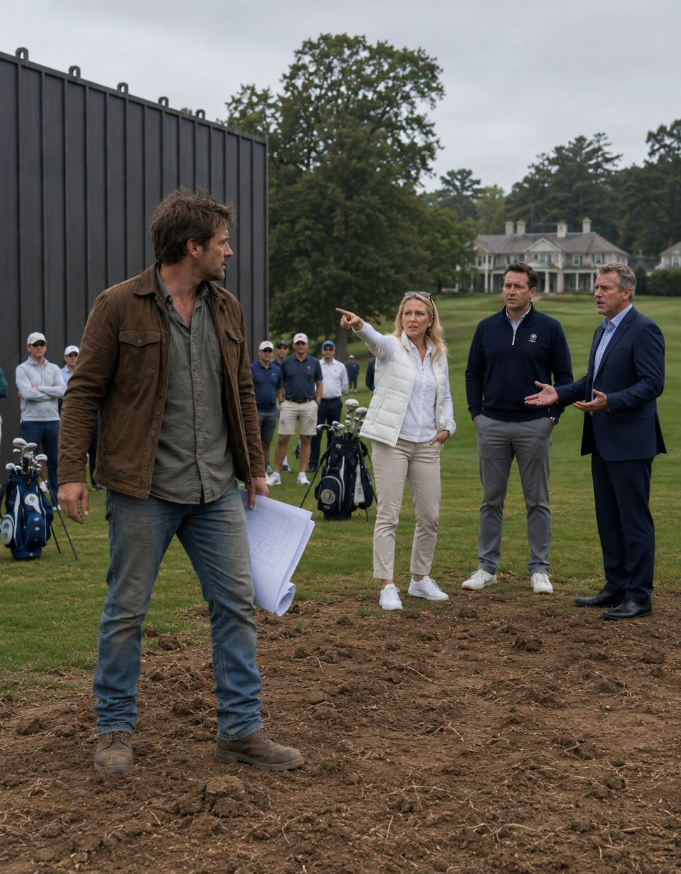
The sound of chainsaws outside my grandfather’s property stopped me cold on a quiet Tuesday morning. I drove up to his 40-acre home in Pine Ridge Estates expecting to help him with spring repairs, but instead I saw several workers cutting down the massive oak trees he had cared for over five decades. My grandfather, Harold Whitmore, was 82 years old and had planted those trees when he bought the land for $185,000 in 1978. The trees shaded his backyard, protected local wildlife, and were part of every family photo we had taken there. When I asked the workers what was happening, they simply said the HOA had approved the removal to “improve the community’s golf course views.” My grandfather stood silently on his porch, holding the old wooden cane my grandmother gave him before she passed away, looking like a piece of his history had been taken away.
I immediately contacted the homeowners association and demanded answers. The HOA president, Richard Coleman, explained that the board had voted to remove the trees because several nearby homeowners wanted a clearer view of the 12th hole. He claimed the association had the authority under their community rules, and the project was already scheduled to continue. What bothered me most was that my grandfather had never received a notice, a meeting invitation, or a chance to object. While searching through his old property documents that night, I discovered a faded folder from when he joined the HOA nearly 30 years earlier — and inside was a clause that changed everything.
The document contained a special preservation agreement that my grandfather had negotiated when the neighborhood expanded in the 1990s. The clause protected several original oak trees and required written approval from every affected homeowner before removal. I contacted an attorney who reviewed the agreement and confirmed that the HOA had violated its own rules. The matter quickly escalated, and the HOA’s insurance representatives became involved after learning that the board could face significant financial consequences. During the dispute, we also uncovered that a developer connected to the golf course expansion had encouraged the tree removal because it increased the value of several nearby properties. What they saw as a simple landscaping decision was actually tied to a larger investment plan involving future sales and property upgrades. The case eventually reached court, where the judge ruled that the HOA had exceeded its authority and ordered the restoration process to begin.
The victory meant more than saving a few trees. For my grandfather, those oaks represented memories, hard work, and the life he built after years of saving and careful planning. The HOA agreed to cover restoration costs, and new protections were added to prevent similar decisions from happening again. My grandfather never wanted revenge; he only wanted the agreement he signed decades earlier to be respected. Today, the trees are slowly growing back, and every spring we sit beneath the branches that remain, remembering the lesson hidden in those old documents: sometimes the most important protections are the ones people forget were written down.

