
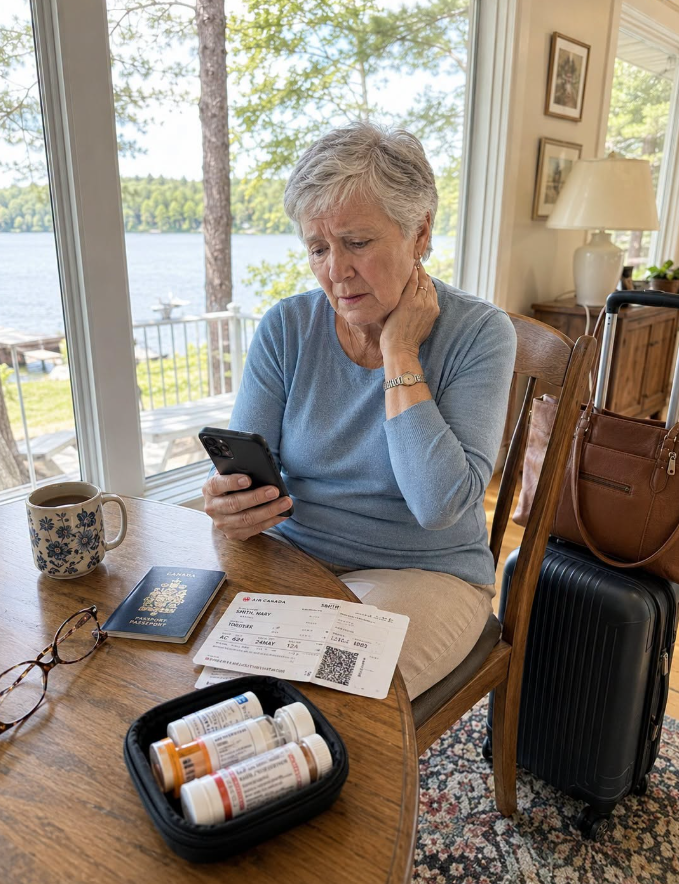
The message arrived at 6:42 on a Tuesday morning, just as my suitcase sat beside the front door and my travel documents were neatly arranged on the counter. “Mom, plans have changed. Vanessa only wants her family on the trip,” my son Daniel wrote. For three months, I had planned the Caribbean cruise carefully, paying nearly $8,500 for upgraded cabins, excursions, and expenses so Daniel, Vanessa, and my grandchildren Emma and Oliver could enjoy a special vacation together. I had covered half the children’s fares, added packages they wanted, and handled transportation because I believed family memories were worth the investment. Then another message appeared moments later: “Could you still keep your card connected to the excursions? The kids already picked everything they want to do.” I stared at the screen, realizing my invitation had disappeared, but my financial support had not.
I was sixty-eight years old, and after thirty-six years working as an elementary school librarian, I had learned how to notice what people truly meant beyond their words. My husband Richard had passed away four years earlier, leaving me our beloved lake house and a lifetime of memories. Since his death, Daniel had become more involved, helping with repairs and spending Sundays with me and the grandchildren. But over time, the requests increased — the SUV payment, gymnastics fees, hockey equipment, phone bills, and other expenses that quietly became my responsibility. The cruise message finally showed me something I had avoided admitting: I was being treated less like family and more like a resource. I typed four simple words — “Have a wonderful trip” — and then opened my computer to make a decision that would change everything.
While Daniel and Vanessa enjoyed their vacation, I began reviewing every expense connected to them. I removed my card from the accounts I had been covering and ended the automatic payments that had continued for years. I also contacted Patricia, my longtime real estate agent, about the lake house. The property had been my home with Richard since 1987, but I knew memories were not stored inside walls. During the process, I discovered architectural drawings hidden in Daniel’s old bedroom closet. The plans showed a major renovation with my bedroom becoming a guest suite, my sunroom transformed into Vanessa’s private space, and Daniel listed as the person overseeing the project. I brought the documents to my attorney, reviewed my estate plans, and confirmed my rights as the homeowner. The court was never needed because everything was legally clear, but the paperwork, insurance records, and property documents reminded me that protecting my future was not selfish. The lake house was sold after I accepted a strong cash offer, and I used the proceeds as an investment in the next chapter of my life.
When Daniel returned from the cruise and discovered the house was sold and the payments had stopped, he called repeatedly. At first, he was angry and confused, but after we finally sat down together, he admitted he had taken my generosity for granted. We talked honestly about the years of financial support, the cruise situation, and the renovation plans that had been made without considering my feelings. Our relationship did not heal overnight, but something important changed — we began rebuilding it with honesty instead of obligation. I moved into a smaller condominium with my books, Richard’s belongings, and the porch swing from our old home. Months later, my grandchildren visited, filled my new place with laughter, and reminded me that family is not defined by a house or a vacation. It is built by the people who choose to show up with love and respect.

