
The Easter dinner was supposed to be a happy family gathering, but one small envelope changed the way Emily Schafer saw her in-laws. Sitting around the table, she watched her husband’s siblings open their gifts, only to discover that each had received $20,000 toward buying a home. Kim, a divorced mother raising two boys in a rented trailer, covered her mouth in disbelief, while Jeff, recently laid off from the Caterpillar plant, struggled to find words. Stacy, the youngest at 26, cried over the generous gift that could help her overcome her nursing school debt. Their father, Ron, explained that he and his wife, Judy, had sold 40 acres of land and wanted to help their children get settled while they were still alive. Emily, 33, and her husband, Nate, 34, opened their envelope last, expecting something meaningful. Instead, they found a greeting card with a bluebird on the front and a message praising them for being so capable that their parents never worried about them.
Emily worked in hospital billing, and Nate was a diesel mechanic, so they understood the value of careful budgeting and hard work. Still, the contrast was difficult to ignore. While three siblings received $20,000 each, Emily and Nate received nothing beyond a card. Nate stayed polite throughout dinner, helped his father carry chairs downstairs, and kissed his mother goodbye without complaint. Only after they drove beyond the city limits did he ask how much money they had saved. Emily answered that they had $6,200, while their rent was $725 a month. Nate admitted he wasn’t angry with his siblings or even his parents; he simply wished someone would worry about them for once. Rather than argue or ask for money, the couple decided to take on extra work. Emily began waiting tables at a truck stop on weekends, while Nate accepted late-night farm repair calls during harvest season. They spent two exhausting years saving every dollar they could, but their biggest opportunity arrived when they discovered an old property that others might have overlooked.
Their extra work meant long days, sore feet, and nights when Nate returned home covered in grease after repairing farm equipment by flashlight. Some jobs paid cash, and one grateful farm family even sent him home with a pumpkin pie. Emily continued handling insurance billing during the week and serving customers on her days off. Together, they built their savings without relying on a gift, a loan from relatives, or promises that might never come. Their goal wasn’t to prove Ron and Judy wrong; it was to create a home they could afford and maintain themselves. When the old Miller place became available, they considered the property’s condition, future repair costs, and what their budget could realistically support before making a decision. The purchase would require patience and planning, but it offered something they had been working toward for years: a chance to own a place of their own.
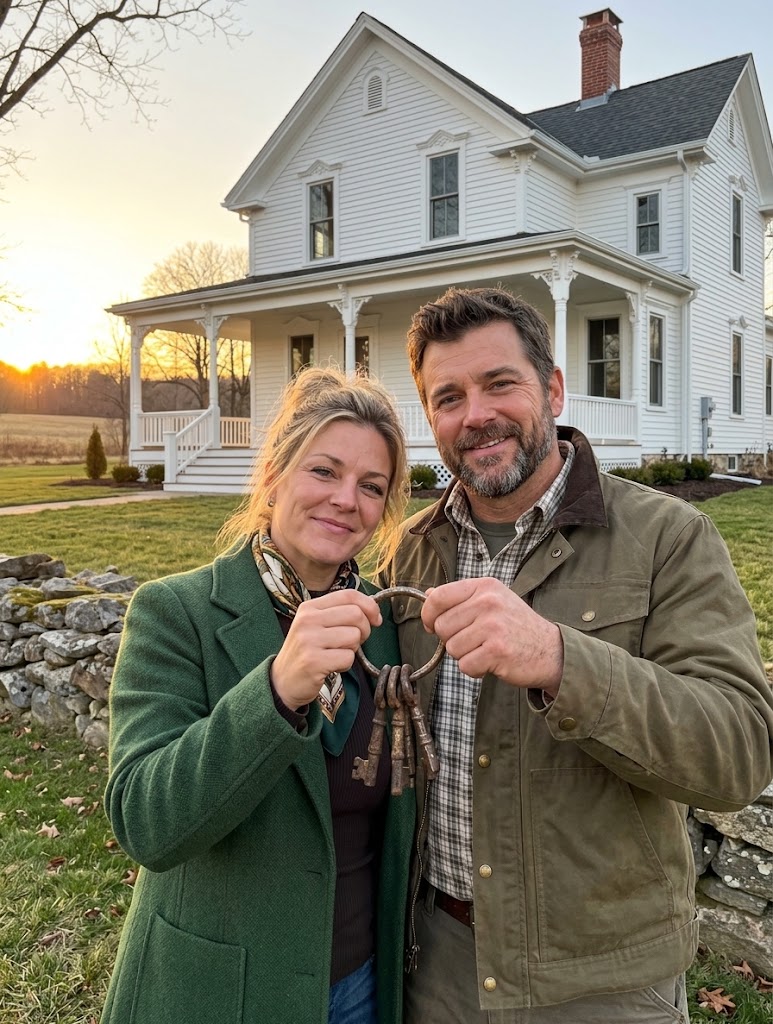
Two years after that painful Easter dinner, Emily and Nate bought the old Miller place for $41,500. The purchase represented more than a number on a contract; it reflected countless extra shifts, difficult harvest nights, and the savings they had protected together. Their story wasn’t about denying help to the other siblings or demanding that the family divide every dollar equally. It was about discovering that being called capable can feel very different from being supported—and deciding to build a future anyway. The bluebird card may have been intended as a compliment, but the couple ultimately found their own definition of security. They had earned their home through determination, teamwork, and sacrifices no envelope could ever fully capture.

