
A television switched off, a phone charger sitting in an empty outlet, and a microwave displaying the time may seem harmless, but some household devices continue drawing electricity even when they are not actively being used. This hidden consumption, often called standby power or phantom energy, can quietly add to a household’s electricity costs month after month. One charger may use very little, but several electronics left connected around the clock can gradually increase energy waste. Computers, gaming systems, entertainment equipment, and kitchen appliances may all contribute, depending on their design and settings. With utility bills putting pressure on many family budgets, small changes around the house can be worth considering. The good news is that reducing unnecessary electricity use does not require expensive renovations or a complicated home energy system.
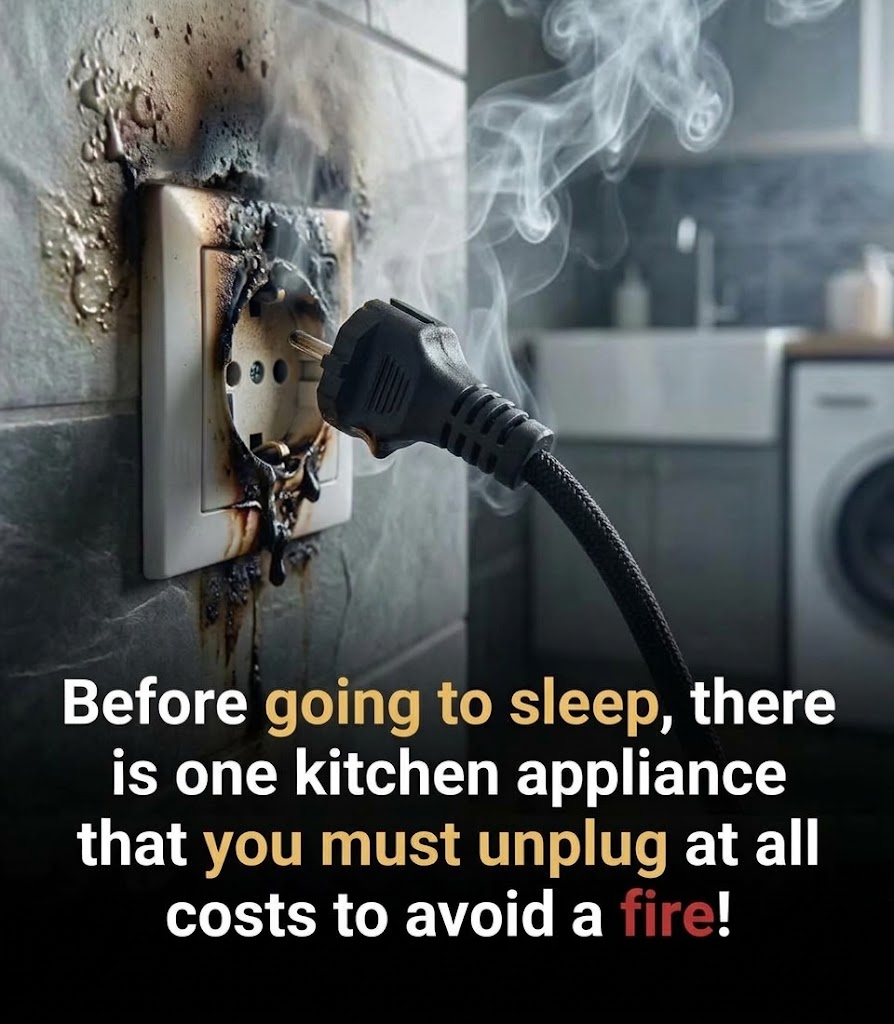
Some devices deserve more attention than others, particularly those that generate heat or could create a safety concern if left operating unattended. Hair dryers, curling irons, portable space heaters, and certain countertop appliances should be switched off after use and handled according to the manufacturer’s safety instructions. Unplugging them when appropriate can provide an extra precaution, although it does not replace proper maintenance or safe operation. Other electronics, including televisions, coffee makers, toasters, and computer accessories, may continue consuming standby power when connected. However, unplugging every appliance is neither necessary nor practical, especially when doing so could interrupt essential functions or affect devices that need continuous power. The key is knowing which items are worth disconnecting—and which should remain plugged in.
A simple starting point is to focus on electronics that sit unused for long periods. Phone chargers can be removed when they are not needed, while entertainment equipment and computer accessories can be grouped on a power strip with an accessible on-off switch. Turning off the strip can disconnect several devices at once, making the routine easier to maintain. Smart plugs and timers may also help manage compatible electronics, although their own energy use and the devices’ settings should be considered. Before unplugging refrigerators, internet equipment, medical devices, or anything that requires continuous power, check the manufacturer’s instructions. Homeowners and renters can also review their utility bills and compare monthly electricity consumption to see whether their habits are making a difference. Although the savings vary according to electricity rates and appliance use, reducing unnecessary consumption can support a household budget without requiring a major investment.
Over time, these small adjustments can become part of an ordinary evening routine. Before going to bed or leaving home, check that heating tools are switched off, disconnect suitable devices that will remain unused, and make sure essential equipment is operating as intended. There is no need to turn the entire house into a nightly unplugging project; a few thoughtful choices are often easier to sustain. Lower standby consumption may help reduce electricity waste, while careful handling of potentially hazardous appliances adds another layer of awareness around home safety. Every household uses energy differently, so the most effective approach is to concentrate on devices that offer a meaningful opportunity to save. Sometimes, protecting your budget and making your home safer begins with something as simple as switching off a power strip.