
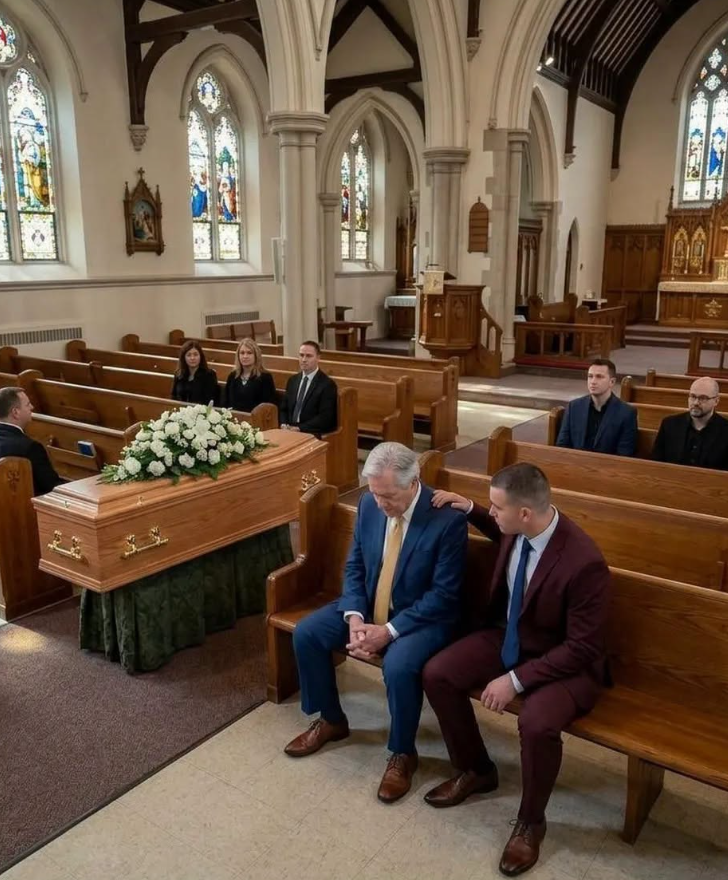
The last hymn had barely faded when Daniel leaned close enough for only me to hear him. We were standing beside my daughter Laura’s closed casket, surrounded by white roses, trembling candles, and mourners speaking in hushed voices. His expensive black suit was perfectly pressed, and his face still wore the solemn expression that had earned him sympathy all morning. “You have twenty-four hours to get out of my house,” he murmured, as calmly as if he were changing the locks on an office door. For a moment, I stared at him, wondering whether grief had made me misunderstand. Then I saw the cold certainty in his eyes and knew he meant every word. I held his gaze, gave him a small smile, and quietly answered, “I understand.”
Laura had been my entire world since her mother passed away when she was seven. I raised her alone, working two jobs and occasionally taking weekend shifts so she could attend a good school, go to college, and begin her adult life without carrying my financial worries. I learned to braid her hair, cooked countless terrible dinners, helped with homework, and cheered louder than anyone when she graduated. Years later, she introduced me to Daniel, an ambitious young man with a polished manner, a promising business plan, and nearly $300,000 in loans and unpaid obligations. Banks had rejected him, and outside investors wanted nothing to do with his company, so Laura came to me for help. I provided the original funding, accepted the financial risk, and eventually invested more than $1.2 million, agreeing to remain a silent partner because Laura believed Daniel only needed one real opportunity. When their son was born, I moved into their home to help with childcare, household expenses, and emergencies, never expecting recognition or repayment.
That night, I packed one suitcase, placed my identification and business documents inside, and set the house keys on the kitchen table. I took only one photograph: Laura at eight years old, sitting on my shoulders at the beach with her arms stretched toward the sky. After whispering goodbye to the empty room, I spent the night in a modest hotel near the train station, where passing trains rattled the windows and sleep came only in brief fragments. The following morning, I sat in a nearby café, ordered black coffee, and called the lawyer who had prepared Daniel’s original company agreements. Daniel had attended every meeting, received copies of every document, and signed each page, but success had apparently convinced him that paperwork no longer mattered. I asked the lawyer to review the ownership structure and begin a formal corporate restructuring. One week later, Daniel received a telephone call informing him that every major decision now required the approval of the company’s majority shareholder—and that shareholder owned 84 percent of the business.
Daniel arrived at my attorney’s office wearing another costly suit, but his confidence had disappeared. He apologized for ordering me from the house and blamed grief, stress, and confusion, though neither of us believed those excuses changed what he had done. I explained that I had financed the company when banks refused him, assumed the insurance and legal exposure, and protected Laura’s home when the mortgage became difficult during the company’s early years. The documents showed that my original contribution had never been a gift; it was a legally recorded investment that gave me controlling ownership of the company and its related assets. I could have gone to court, removed Daniel completely, or allowed the auditors to dismantle the public image he had built around being a self-made founder. Instead, I ordered an independent audit, created a board of directors, limited his authority, and established safeguards for the employees who had endured years of unpredictable management. Daniel would remain involved because he understood the daily operations, but the company, the investment accounts, and the wider estate would no longer be controlled by his decisions alone.
The months that followed did not erase my grief, but they gave it direction. The company became more stable, employees were treated fairly, and Daniel slowly learned that leadership required accountability rather than intimidation. Using part of the profits, I created a small organization named simply “Laura,” which provides funding to hardworking entrepreneurs while legally recognizing the parents and relatives whose sacrifices made those opportunities possible. Our first recipient was a young woman whose father had quietly sold his work van to finance her project; this time, his contribution appeared in the ownership agreement instead of being forgotten. Daniel and I never became close, but we eventually found a respectful distance shaped by the woman we had both loved. Every Sunday, I visit Laura’s grave, tell her about the families her organization has helped, and place fresh flowers beside her name. Daniel believed that forcing me from his house would remove me from his future, but he had overlooked one simple truth: the quiet man standing at the edge of his success had built the foundation beneath it.

