
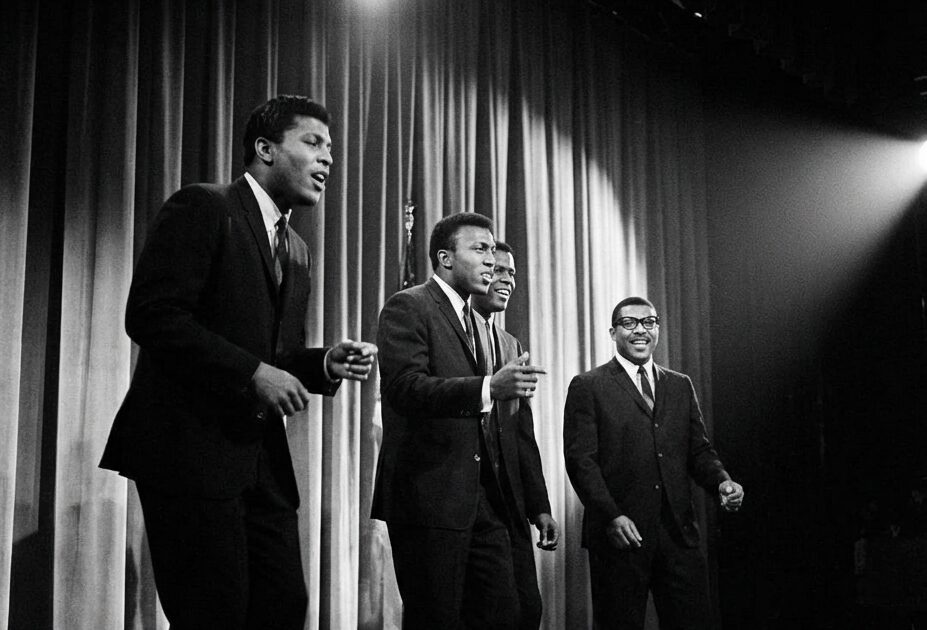
Some of the most memorable songs in history weren’t created through elaborate studio sessions or carefully planned strategies. Instead, they were born in quiet, deeply personal moments when emotion spoke louder than perfection. That spirit lives within In the Still of the Night, a ballad that emerged from simplicity and sincerity rather than expensive production. Created during a time of longing and reflection, the song captured feelings many people recognize—the excitement of young love, the ache of separation, and the hope of reunion. Even decades later, its gentle opening instantly transports listeners to a place where memories feel vivid and emotions feel fresh, reminding us how powerful honest music can be.
The story behind the song begins with a young soldier in 1956, separated from someone he loved after a brief visit home. Returning to military duty left him feeling both grateful for the time spent together and saddened by the distance that followed. Seeking comfort, he turned to music, shaping melodies and lyrics during quiet moments when his thoughts drifted back to the person he missed. The song’s strength didn’t come from complex arrangements but from emotional truth. Each line reflected a universal experience—the vulnerability of caring deeply for someone and wishing for just a little more time together before reality pulls people apart again.
When it came time to record the track, resources were limited, but creativity filled the gaps. The group recorded in a modest church basement, relying on basic equipment and the natural acoustics of the room to shape the final sound. Rather than sounding unfinished, the environment added warmth and intimacy, making listeners feel as though they were standing right beside the singers. The harmonies blended smoothly, and the lead vocal carried a sincerity that couldn’t be manufactured. Although the song didn’t initially dominate charts, audiences immediately felt connected to its mood, and word of mouth helped the song travel far beyond the modest space where it was first recorded.
As years passed, the song took on a life of its own. It became a favorite at school dances, weddings, and nostalgic gatherings, symbolizing romance and simpler times. New artists reinterpreted it, films introduced it to younger audiences, and radio stations continued to revisit it, ensuring its place in musical history. Yet despite changing trends and evolving sounds, the heart of the song remained unchanged. What started as one young man’s personal reflection grew into a shared experience for listeners across generations. Its lasting success proves that when music is built on genuine feeling rather than trends, it never truly disappears—it simply waits for each new listener to discover its quiet magic.