
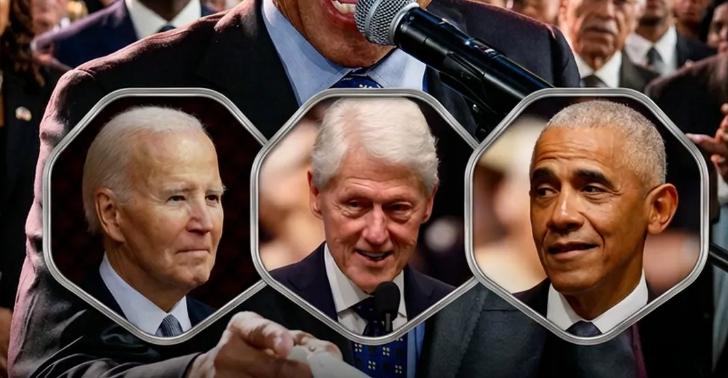
The memorial services honoring civil rights leader Jesse Jackson in Chicago brought together an extraordinary gathering of political figures, community leaders, and international guests. Held on March 6 and 7, 2026, the ceremonies reflected the lasting influence of a man who spent decades advocating for civil rights, economic opportunity, and social justice. Among those in attendance were former U.S. presidents Barack Obama, Joe Biden, and Bill Clinton, along with political leaders including Kamala Harris and Hillary Clinton. Their presence highlighted how widely Jackson’s work had shaped conversations about equality and opportunity both in the United States and internationally.
The memorial events featured emotional speeches, musical tributes, and reflections on Jackson’s decades of activism. Artists and leaders spoke about his role in advocating for marginalized communities and challenging institutions to address inequality. Through organizations such as the Rainbow PUSH Coalition, Jackson helped create opportunities for political engagement and social progress across generations. His influence stretched beyond political circles, touching communities, faith organizations, and social movements around the world. The ceremonies served not only as a farewell but also as a reminder of how one voice can inspire lasting change.
One moment that drew particular attention came during remarks by Jackson’s son, Jesse Jackson Jr.. Speaking at the private memorial service, he reflected on his father’s independent role in public life and his willingness to challenge leaders from different political backgrounds. His words highlighted how Jackson often positioned himself as a voice for those who felt unheard, emphasizing advocacy for economic fairness, civil rights, and political participation. The comments resonated with many attendees, underscoring the complexity of Jackson’s legacy as someone who often pushed both allies and opponents to confront difficult issues.
As tributes continued throughout the weekend, public reactions extended beyond the ceremonies themselves. Observers online discussed various details from the events, including the many political leaders present and the broader significance of Jackson’s life. Ultimately, the memorial served as a moment of reflection on a career that spanned civil rights marches, presidential campaigns, and decades of community activism. Jackson’s passing at the age of 84 marked the end of an era for many who followed his work, but the ideals he championed—justice, equality, and civic participation—remain central to ongoing conversations about social progress.