
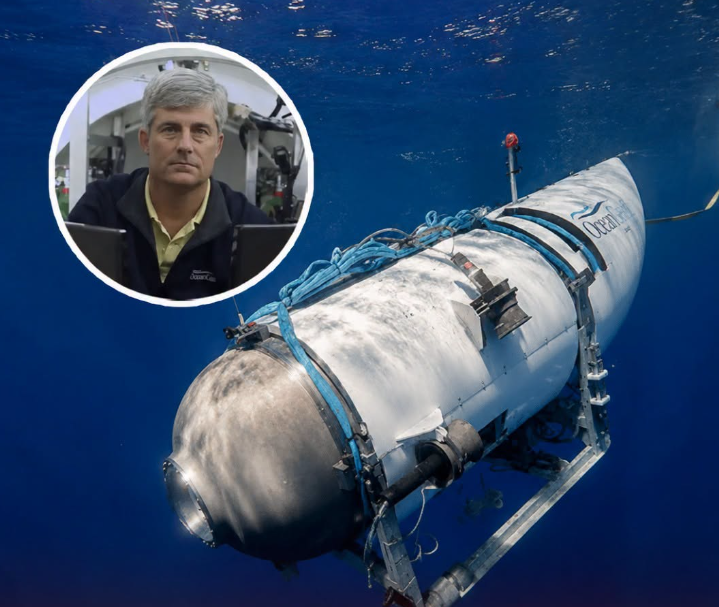
More than three years after the Titan submersible disaster, the story continues to draw attention because of the questions it left behind. In June 2023, five people boarded OceanGate’s Titan for a deep-sea journey to view the Titanic wreckage off the coast of Newfoundland. The expedition was meant to be a rare look at one of history’s most famous shipwrecks, but contact with the support vessel was lost less than two hours into the descent. What followed was an international search effort, days of public concern, and eventually the heartbreaking confirmation that the submersible had suffered a catastrophic implosion.
On board were OceanGate CEO Stockton Rush, British explorer Hamish Harding, Titanic expert Paul-Henri Nargeolet, businessman Shahzada Dawood, and his 19-year-old son, Suleman. Their families were left not only grieving the sudden loss but also waiting for answers about how such a tragedy could happen. In the months and years that followed, reports raised concerns about the vessel’s design, testing process, and safety decisions. Former employees and experts had previously questioned whether the submersible had been properly evaluated for repeated trips to extreme ocean depths.
The emotional weight of the disaster was especially clear in comments from Christine Dawood, who lost her husband and son. She described the long wait before recovered remains were returned and spoke about the difficulty of processing what had happened. Specialists have since explained that the extreme pressure and harsh underwater environment made recovery efforts unusually complex. Meanwhile, investigators continued reviewing the vessel’s history, including its previous dives, construction methods, and whether standard engineering practices had been followed before passengers were taken to Titanic-level depths.
Now, the Transportation Safety Board of Canada has released its final report, giving families the clearest explanation yet. Investigators found that the Titan’s carbon-fiber pressure hull had not been fully validated to confirm it matched the design assumptions, and its construction and testing did not follow standard engineering practices. The report also said OceanGate did not know how long the hull could remain structurally sound after repeated deep-sea dives. On June 18, 2023, during Titan’s 88th trip, those unanswered questions became tragically important. The findings suggest the disaster was not caused by one simple failure, but by serious concerns around testing, validation, and long-term pressure damage—making the final report a sobering reminder of why safety standards matter in extreme exploration.