
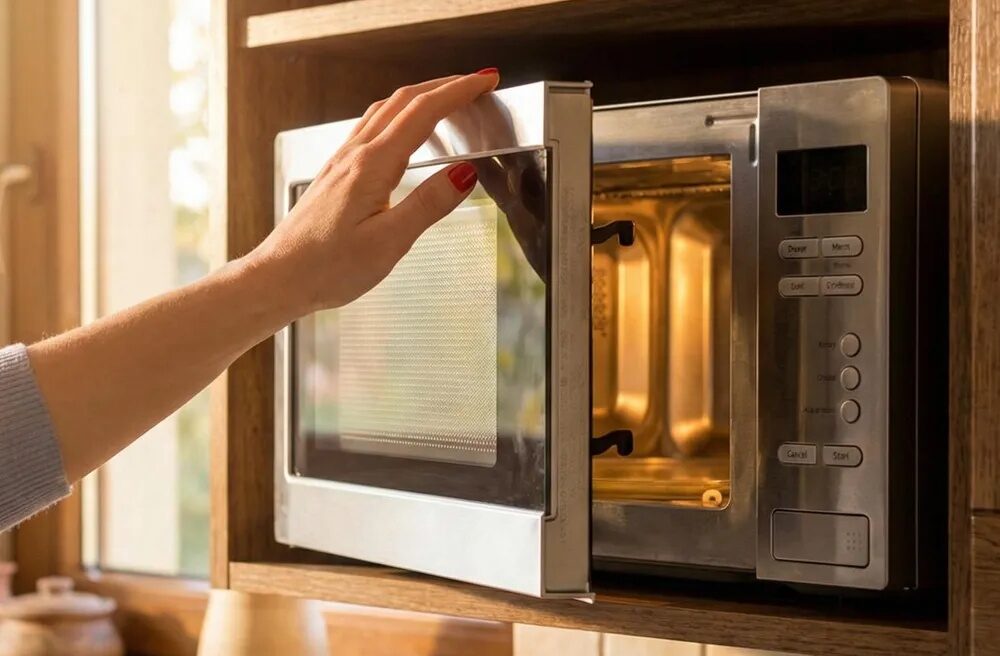
Choosing where to put a microwave may seem like a small detail, but the location of this everyday appliance can affect safety, efficiency, and comfort in your kitchen. A poorly placed microwave can overheat, limit ventilation, or make handling hot food more difficult than it should be. Whether your kitchen is compact or spacious, planning the right spot helps your appliance work better and keeps your cooking routine smooth and stress-free. With a little thought, you can find a placement that balances convenience, safety, and design.
The best microwave location depends on how often you use it and how your kitchen is arranged. A countertop remains the most popular option because it provides easy access, but it’s important to leave enough space around the unit for proper airflow. Built-in cabinet or wall installations are ideal for those who prefer a clean, modern look, as long as the cabinet is designed with ventilation in mind. Some homeowners choose to place their microwave above the stove as part of a microwave hood system to save counter space. Others opt for a dedicated shelf, rolling cart, or kitchen island compartment, which keeps the appliance accessible without crowding work surfaces. No matter the choice, following the manufacturer’s ventilation recommendations is essential to prevent overheating and maintain performance.
Just as important as knowing where to place a microwave is knowing where not to put one. Areas near sinks should be avoided because water and electricity do not mix safely. Placing a microwave on top of a refrigerator may seem like a clever space-saving idea, but rising heat from the fridge can affect the microwave’s function, and lifting hot dishes from that height can be awkward. Tight, unventilated cabinets can trap heat, reducing efficiency and increasing wear on the appliance. Locations that are too low to the ground can strain your back and make removing hot food uncomfortable, while positions that are too high can lead to spills or burns if you cannot clearly see inside the unit. Avoiding these placements helps protect both your appliance and your household.
Once you’ve chosen the right location, a few final precautions ensure safe use. Place the microwave on a sturdy, level surface to prevent tipping. Keep it near a wall outlet so it can be plugged in directly, avoiding extension cords. Make sure there is enough clearance on all sides for airflow, and install it at a height that allows you to see and reach inside comfortably. With thoughtful positioning, your microwave will operate efficiently, last longer, and fit naturally into your kitchen routine. A well-placed appliance not only improves safety but also makes everyday cooking simpler and more enjoyable.

