
“You’re not coming,” my mother’s text read as traffic crawled beneath the harsh Denver sun. “Dad wants just family.” On the passenger seat beside me sat a gift bag containing silver seashell earrings I had bought for her to wear in our cruise photographs. I had spent six months arranging the trip and charged $21,840 to my own card for balcony cabins, dining packages, excursions, internet access, and every comfort my family requested. The driver behind me sounded his horn when the light changed, but my hands had begun trembling around the steering wheel. That evening, my cousin sent me a screenshot from a new family group chat showing everyone wearing the matching shirts I had purchased and claiming I had chosen work over the vacation. By sunrise, the pain had settled into something quieter and far more useful: paperwork.
My name is Millie Miller, and at thirty-three I had spent most of my adult life serving as my family’s emergency fund. I paid overdue college expenses for my sister Vanessa, contributed when my parents fell behind on their mortgage, covered vehicle repairs, and sent grocery money whenever my mother called in tears. They described me as lucky because I had a stable job, no children, and the discipline to save, although gratitude rarely accompanied their requests. When my mother mentioned her dream of taking a family cruise, everyone at the dinner table waited silently until I volunteered to finance it. I booked six tickets through Oceanic Getaways, including premium dining, drink packages, shore excursions in three countries, and upgraded cabins. For a few weeks, their warmth made me believe I had finally purchased not merely a vacation, but a secure place within the family.
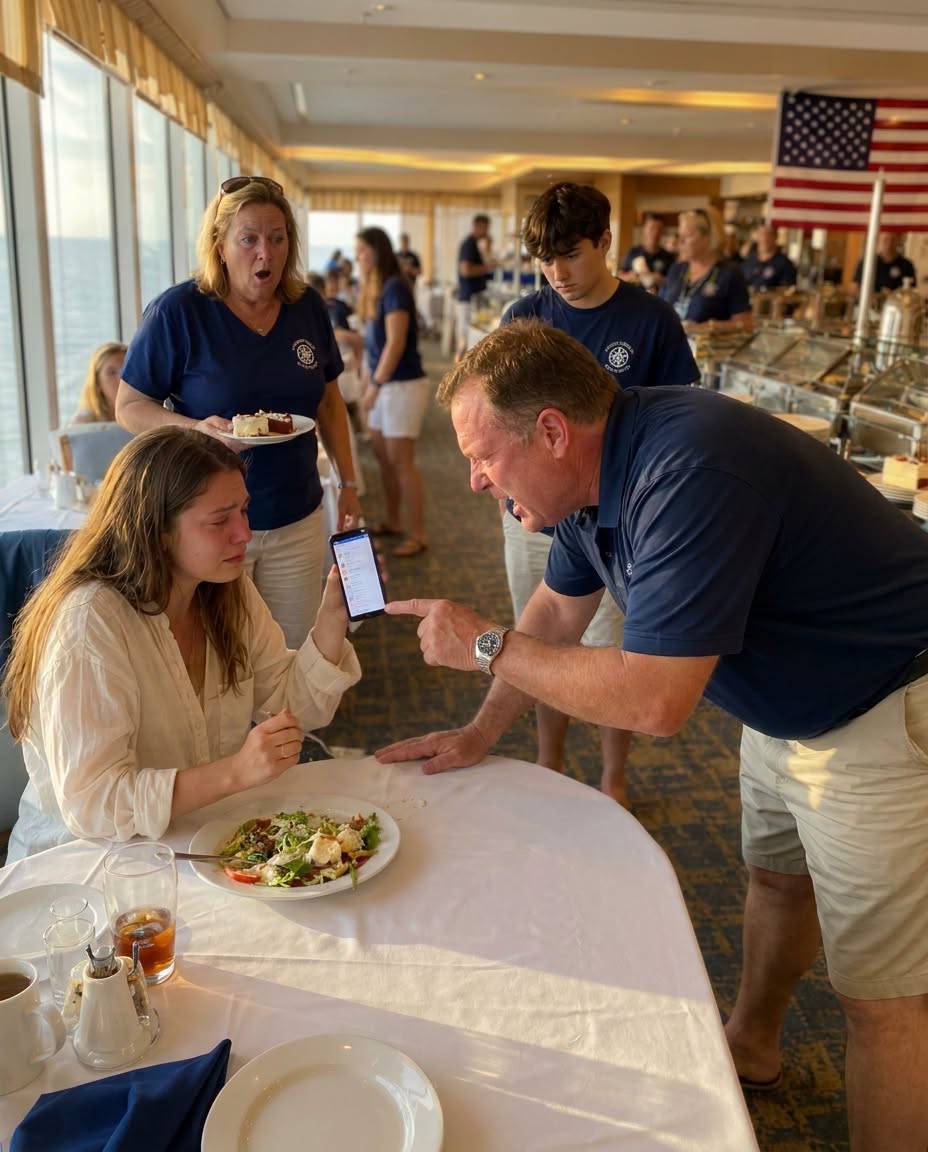
The morning after their message, I contacted the travel company as the verified cardholder and primary reservation holder. I canceled every optional package, including the private cabana, excursions, internet plans, specialty meals, and beverage upgrades, with the refunds returned directly to my account. I then reassigned five guests from their balcony accommodations to the least expensive interior cabins still available on a lower deck, while keeping the suite registered in my own name. The changes complied with the booking contract because I had made the reservation, paid the balance, and retained authority over amendments before departure. Two weeks later, I boarded alone and discovered that solitude felt less painful than constantly financing people who treated my presence as optional. On the second evening, I entered the buffet wearing the earrings intended for my mother and found my family in their matching shirts, exhausted and furious beside the dessert station—and they finally understood that excluding the person who controlled the reservation had consequences.
My father demanded that I restore their upgrades, while Vanessa accused me of publicly humiliating them. A crew member delivered the amended documents only to me after confirming that I was the primary cardholder, and I placed the cabin assignments on the table without raising my voice. I explained that the basic transportation and accommodation I had purchased remained available, but the luxury benefits had been gifts rather than entitlements. When my mother said they had excluded me to avoid conflict, I reminded her that they had waited until my payment cleared before deciding I was not family enough to attend. My father threatened to cut off contact unless I reversed the changes, but for the first time his warning sounded less like punishment than permission to step away. I declined to make further alterations, documented every communication, and spent the remainder of the cruise reading, resting, and joining excursions without assuming responsibility for anyone else’s spending, complaints, or comfort.
After returning home, I created a folder containing years of mortgage transfers, tuition payments, repair receipts, grocery deposits, and travel invoices—not to threaten my family, but to remind myself that the burden had been real. My mother eventually called and said no one had intended to make me feel unwanted, so I told her they had done more than create a feeling: they had accepted my money and then directly withdrawn my place. I still loved her, but I would no longer serve as the family’s financial safety net without respect, transparency, and clear limits. There was no perfect photograph of us smiling together beneath a tropical sky, and I stopped mourning the image I had hoped to frame. Instead, I kept one amended reservation confirmation showing my name as the cardholder and primary guest. For years, I had mistaken being useful for being loved. The cruise taught me that saying no was not an act of cruelty; it was the moment I finally stopped abandoning myself to keep everyone else comfortable.

