
My twenty-fourth birthday ended with my belongings scattered across my bed and my 2015 Toyota Corolla missing from the driveway. Hours earlier, I had been eating half a turkey sandwich in the Memorial Hospital cafeteria when my father’s text appeared: “We sold your car for $8,000. Jake needs tuition money. Family comes first.” I had purchased that car entirely with money earned from extra nursing shifts, skipped meals, and years of careful saving. As the oldest daughter, I had already helped cover my brother’s computer, my sister’s activities, and several household “emergencies” that never seemed to involve me. My parents still treated my paycheck like shared property, but the Toyota had been different—it was the first valuable thing registered only in my name. When I called home, Dad calmly told me to take the bus until I could afford another one, while Jake joked in the background that I was being dramatic. Then I asked the question that finally made my father hesitate: “How did you sell a car when the title belonged to me?”
During my next break, I called Carson’s Auto Sales and explained that I had never authorized the transaction. The manager checked the paperwork, lowered his voice, and said the title transfer carried what appeared to be my signature. I told him I had been inside the hospital since before six that morning and could prove it through security records and my work schedule. After a long silence, he advised me to file a police report immediately. When I returned home, my family was eating casserole as though nothing unusual had happened, and my mother simply said there was food in the refrigerator. Dad insisted that supporting Jake mattered more than “making a fuss,” while Mom repeated that families were supposed to help one another. I placed my phone on the table, opened his written confession, and told them the dealership believed someone had forged my name—and by morning, I would know exactly who was legally responsible.
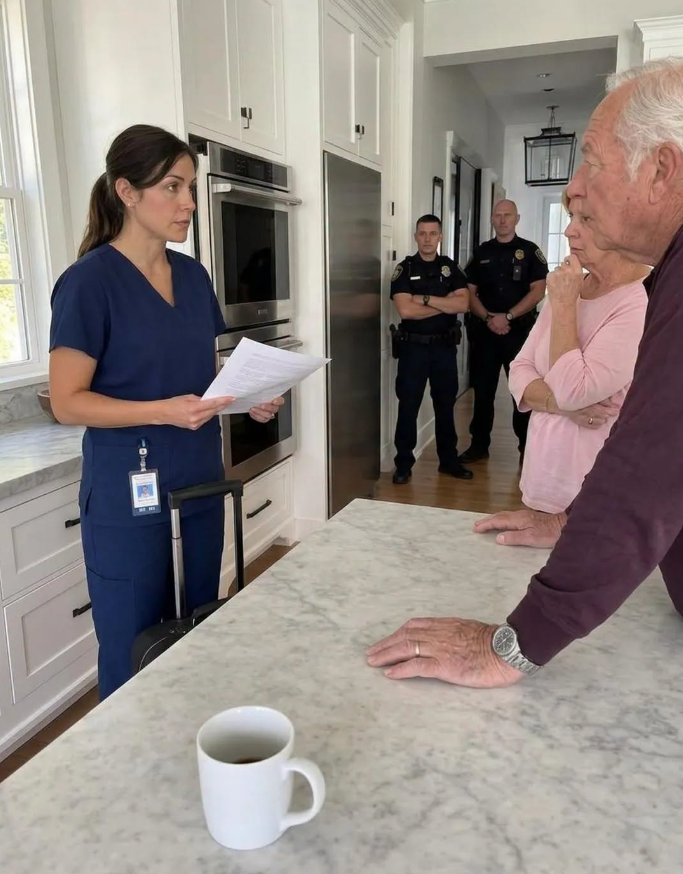
I spent that night saving every text, call record, receipt, and document connected to the car. The next morning, a colleague introduced me to an attorney who handled property and fraud disputes, and she immediately recognized how strong the evidence was. The Toyota was mine, its insurance policy was in my name, and my father had admitted in writing that he sold it to fund Jake’s tuition. With a police officer present for a civil standby, I packed my nursing books, laptop, clothes, and grandmother’s jewelry box before placing a formal demand letter on the kitchen counter. Dad had always spoken as though paying the mortgage and controlling the family estate gave him authority over everything under his roof, but neither investment accounts nor parental status allowed him to transfer my property. My attorney warned that the forged signature could lead to court if the money was not returned. Six weeks later, my parents’ lawyer agreed to repay the full $8,000 rather than challenge the records.
I stayed temporarily with my friends Tyler and Amy, who gave me their guest room without turning their kindness into a debt. With part of the settlement, I bought a reliable used sedan; the rest became an emergency fund and the deposit on my first apartment. Jake later met me at a café and apologized, admitting that he had benefited from years of watching our parents treat my sacrifices as automatic. Trust did not return in one conversation, but his honesty gave us somewhere to begin. At work, my concentration improved so noticeably that my supervisor offered me a charge nurse position, and I accepted after realizing the opportunity was something I genuinely wanted. My parents’ house had taught me that being dependable meant surrendering whatever others demanded. My new life taught me something better: dependability was strength, and I finally had the right to decide where that strength belonged.

