
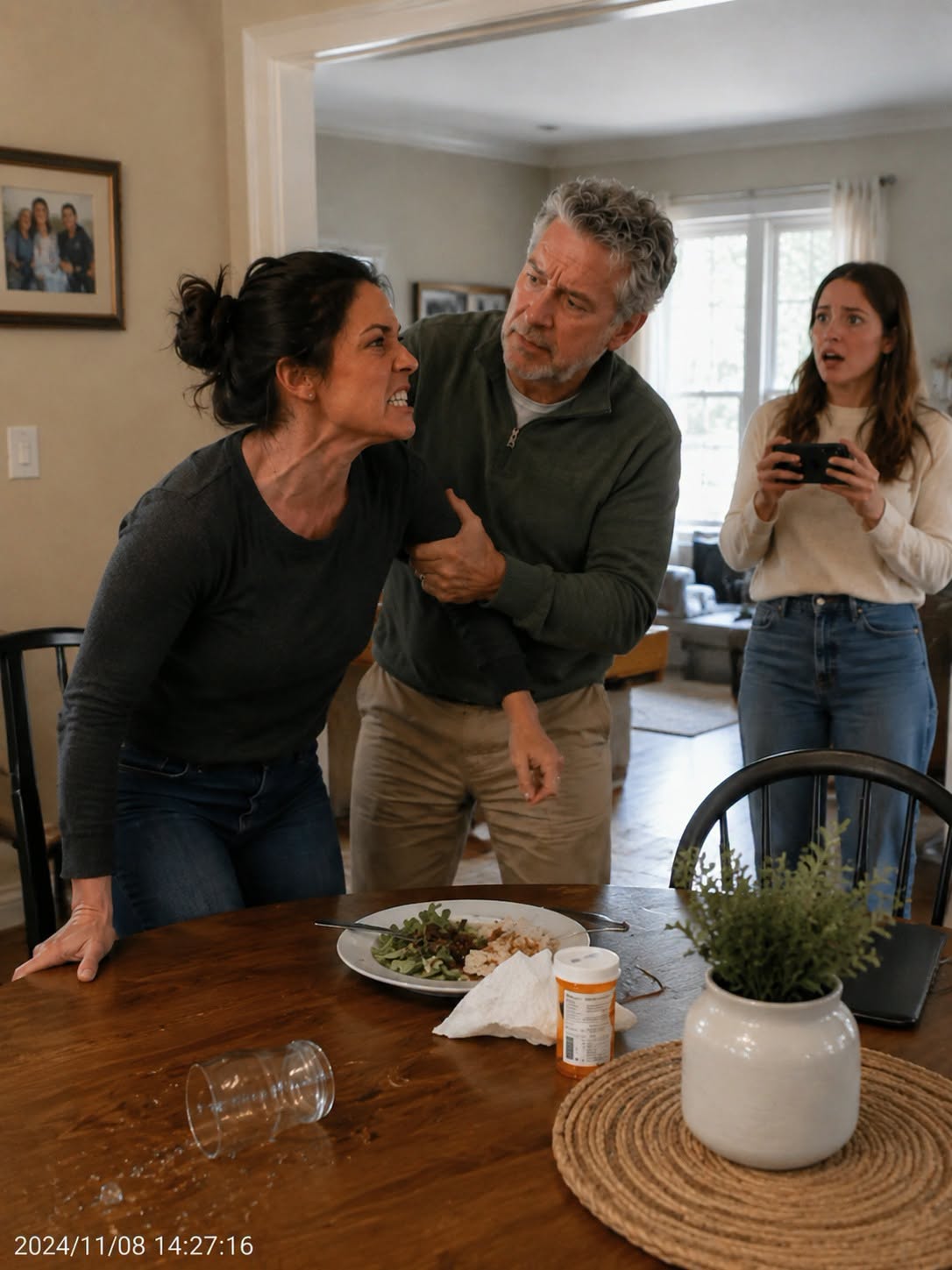
“Did you pick up my prescription?” I asked during Sunday lunch, already knowing something felt wrong. My father calmly buttered a dinner roll and said the money had been used for my younger sister Chloe’s new camera instead. The glossy black box sat on the sideboard with a gold ribbon around it, while the medication my specialist had marked urgent was still waiting at the pharmacy. I’m Ava Hart, 22, and after three difficult years managing an autoimmune condition, consistency had finally brought my health under control. My grandmother Ruth had understood how expensive that stability could be, so before she died she created a protected trust specifically for my healthcare, education, and housing. My parents had temporary access to the medical account because I had been too sick to manage every payment myself. What I didn’t know then was how often money intended for me had quietly been redirected toward Chloe.
A laptop, acting lessons, travel, workshops—each expense had been explained as an investment in Chloe’s future. I had quietly saved screenshots and receipts until my specialist, Dr. Patel, warned me that missing this particular prescription could disrupt months of progress. The pharmacy sent several reminders, and I personally showed Mom the written warning, yet the account was nearly emptied at Northgate Electronics just 11 minutes before the pharmacy attempted its charge. Dad insisted waiting until Friday would not matter because I was “stable.” Instead of arguing, I placed my phone beside his plate and opened an email from the trust administrator. That was when he discovered Grandma Ruth had built an automatic safeguard into every dollar they had redirected.
Weeks earlier, I had taken my records to Margaret Keene, the retired estate attorney Grandma had appointed as professional trustee. She explained that restricted medical funds could not legally be treated like ordinary family spending, and a failed pharmacy payment caused by an unrelated purchase could trigger formal review. By the time Dad admitted where the prescription money went, Ms. Keene had already received the report, my physician had been notified, and safeguards were being prepared for possible court supervision. The review uncovered multiple questionable withdrawals, and my parents immediately lost access to the account. Repayment arrangements followed, while future pharmacy and medical bills were paid directly from the trust instead of passing through family hands. We also reviewed insurance expenses, housing assistance, and other protections tied to Grandma’s estate so no one could redirect them again. I had once assumed an inheritance was simply money or an investment left behind after someone died. Grandma had understood something more important: good estate planning could create boundaries when family promises were not enough.
My prescription arrived by courier that same afternoon, and my medical treatment continued without interruption. Three weeks later, I moved into a small apartment near my clinic using housing funds that had always been available to me, despite what I had previously been told. Chloe returned the camera and eventually found part-time work to pay for her own creative projects. My parents and I did not repair everything overnight; trust does not return simply because paperwork changes. Mom eventually began asking real questions about my appointments and medications, while I learned to manage every statement and account myself. One evening she told me, sadly, that I had changed. I looked around my little kitchen, at bills carrying my own name and medication payments going exactly where they belonged, and realized she was right. Grandma Ruth had not simply left me money. She had left me the ability to protect my future—and finally taught me that something designated for my health still belonged to me, even when the people spending it called their choices “family.”

