
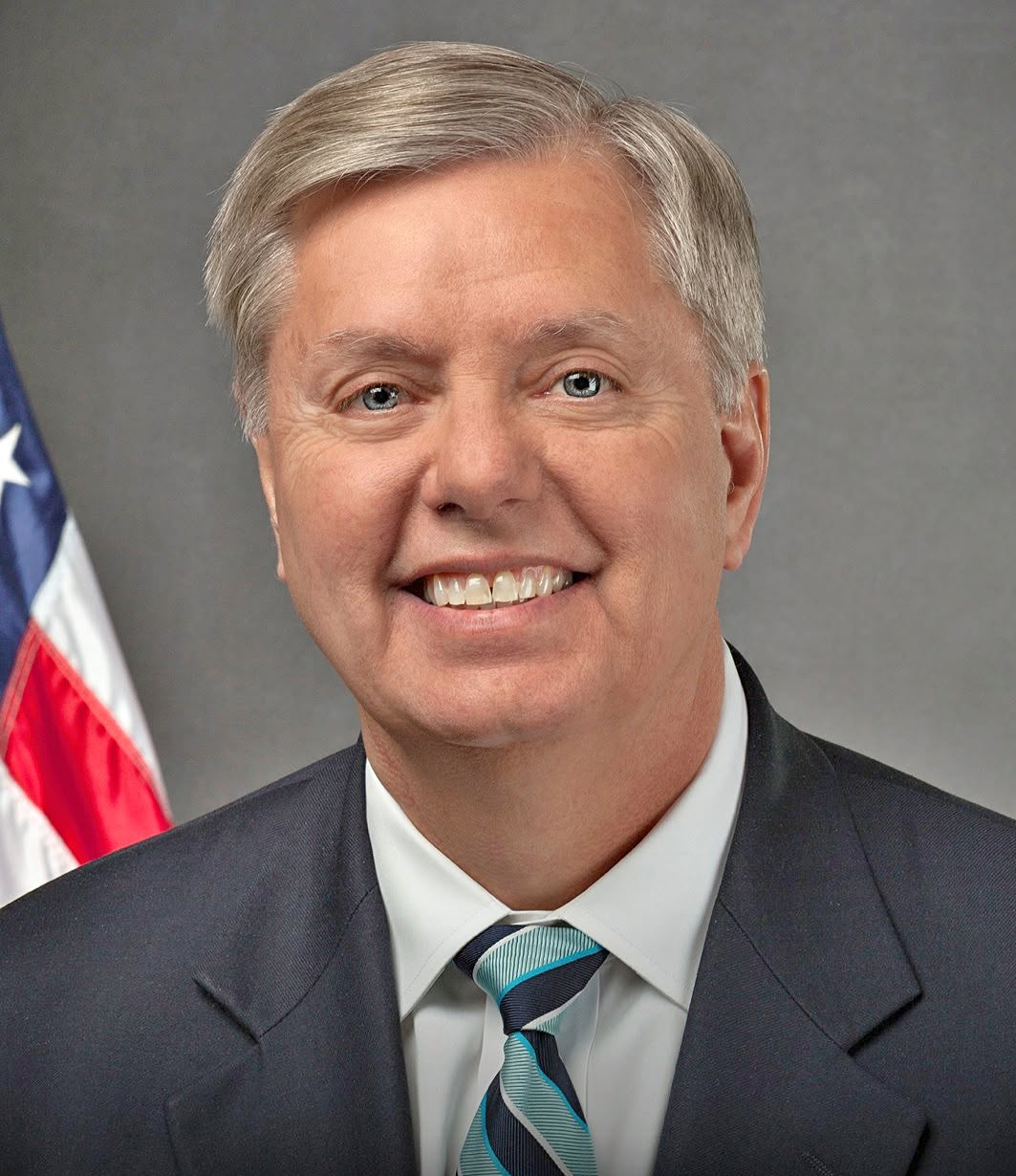
Trump Gains New Russia Pressure Tool as Senate Advances Graham Sanctions Bill
Senate Passes Sweeping Russia Sanctions Package in Overwhelming 86-11 Vote
The Lindsey O. Graham Sanctioning Russia and Iran Act Would Expand Economic Pressure on Moscow and Give the President New Tariff Authority
The U.S. Senate has approved a major sanctions package designed to increase economic pressure on Russia, advancing legislation associated with Republican Senator Lindsey Graham’s push for tougher action against Moscow.
The Lindsey O. Graham Sanctioning Russia and Iran Act passed the Senate by an overwhelming 86-11 vote, reflecting broad bipartisan support despite deep political divisions in Washington on many other issues.
The legislation has cleared an important hurdle, but it has not yet become law.
It must now move through the House of Representatives, where lawmakers can approve it, amend it, or leave it unfinished.
The Bill Targets Revenue Flowing Into Russia
The legislation is designed to strike at financial channels that continue providing revenue to Vladimir Putin’s government while Russia wages war against Ukraine.
Its provisions include additional sanctions involving Russian officials, oligarchs, financial institutions, and networks accused of helping Moscow avoid restrictions already imposed by the United States and its partners.
Supporters believe previous sanctions have been weakened by the ability of Russian businesses and state-linked organizations to continue operating through foreign companies, banks, vessels, and trading partners.
The new package attempts to make those relationships considerably more expensive.
Major Buyers of Russian Energy Could Face U.S. Tariffs
One of the most consequential provisions would give President Donald Trump additional authority to impose tariffs of as much as 100 percent on imports from countries identified among the five largest purchasers of Russian oil and natural gas.
That provision extends the potential economic consequences beyond Russia itself.
Countries that continue buying large amounts of Russian energy could find their broader commercial relationships with the United States affected.
The strategy is intended to reduce Moscow’s ability to generate revenue by making Russian energy increasingly costly for international partners to purchase.
The Approach Relies Heavily on Secondary Economic Pressure
Traditional sanctions generally focus directly on the country, institution, company, or individual accused of prohibited activity.
This package takes a broader approach by targeting entities outside Russia that continue facilitating Russian commerce.
Foreign banks, companies, shipping operations, and governments could therefore face consequences if their activities help preserve revenue streams that U.S. lawmakers are trying to restrict.
Supporters view that secondary pressure as one of the legislation’s most important features.
Graham Made Tougher Sanctions a Major Priority
Graham had spent months advocating for legislation that would significantly increase the economic consequences of continuing to do business with Russia.
He worked closely with Democratic Senator Richard Blumenthal and a large bipartisan group of lawmakers to develop an approach that extended beyond sanctions on Russian institutions themselves.
The central argument was that Russia’s ability to continue financing its government and military operations depends partly on outside companies and countries that purchase energy or provide commercial services.
The legislation was subsequently named in Graham’s honor.
Russia’s Shadow Fleet Is One of the Main Targets
A major focus of the package is Russia’s so-called shadow fleet.
The term refers to a network of vessels and associated organizations used to transport Russian energy while reducing the effectiveness of international restrictions.
By targeting ships, companies, financial arrangements, and other entities connected with those transactions, the legislation attempts to make it more difficult for Russian energy to reach global buyers outside established sanctions systems.
This reflects a broader effort to close loopholes rather than simply adding new restrictions to organizations already sanctioned.
Foreign Companies Working With Russia’s Military Sector Could Also Be Hit
The legislation also targets foreign businesses accused of supporting Russia’s military-industrial sector.
That could extend economic pressure to companies that are not Russian but continue providing commercial relationships considered important to Moscow’s military capabilities.
The approach represents a significant expansion in how sanctions can operate.
Instead of focusing only on the original target, lawmakers want to increase the risks faced by third parties that continue assisting it.
Iran Is Included in the Sanctions Package
Despite the bill’s strong focus on Russia, the legislation also expands and strengthens sanctions involving Iran.
The provisions would provide the Trump administration with additional economic tools for applying pressure to Tehran.
Supporters of the measure argue that Russia and Iran have both relied on international business relationships to reduce the practical effect of existing sanctions.
For that reason, they believe future economic pressure must reach beyond the two governments and target the commercial networks that continue working with them.
The 86-11 Vote Sent a Strong Bipartisan Message
The margin of passage was particularly notable.
An 86-11 Senate vote demonstrates a level of bipartisan agreement that has become uncommon on many major issues.
Lawmakers from both political parties supported the idea that additional economic pressure should be available against Russia and entities helping it maintain access to international markets.
The size of the majority also strengthens the political message being sent internationally.
The disagreement in Washington is no longer primarily over whether stronger sanctions have meaningful Senate support.
The next question is whether the legislation can complete the rest of the congressional process.
Roger Wicker Called the Measure a Potential Life-Saving Step
Republican Senator Roger Wicker, chairman of the Senate Armed Services Committee, portrayed the legislation as both a strategic measure and recognition of Graham’s work.
Wicker said, “This sanctions bill will help save lives.”
He argued that reducing the resources available to Putin could strengthen the possibility of eventually achieving peace.
Wicker also described the legislation as one of Graham’s most consequential achievements in Congress.
Kevin Cramer Emphasized the Scale of Senate Agreement
Republican Senator Kevin Cramer focused on the political significance of the vote itself.
He said “the Senate spoke with one voice” in favor of imposing stronger consequences on Russia, Iran, and those helping them.
The statement captured the central message supporters hope the legislation sends abroad.
Foreign governments and companies considering whether to continue major commercial relationships with sanctioned countries would need to consider the possibility of facing substantial American economic consequences themselves.
Ukraine Has Long Sought Stronger Pressure on Moscow
Ukrainian officials have welcomed efforts to increase economic pressure on Russia.
For Ukraine and its supporters, sanctions represent one method of reducing Moscow’s resources without relying exclusively on battlefield measures.
Energy sales remain particularly important to the strategy because oil and natural gas provide major streams of international revenue.
If countries purchasing those resources face greater economic costs, supporters believe the pressure could eventually reduce the financial benefits Russia receives from continued energy exports.
The Legislation Attempts to Make Sanctions Harder to Evade
A recurring challenge with economic sanctions is enforcement.
Restrictions imposed directly on one country can lose effectiveness when trade is rerouted through other companies, banks, jurisdictions, or transportation networks.
The Graham package attempts to address that problem by increasing the potential consequences for those intermediaries.
Supporters believe sanctions become substantially stronger when foreign partners must decide whether continuing to work with Russia is worth risking access to the American economy.
Energy Buyers Could Face Difficult Decisions
The authority to impose tariffs reaching 100 percent could create particularly complicated decisions for major importers of Russian oil and natural gas.
Countries purchasing large volumes of Russian energy often have substantial commercial relationships with the United States as well.
If the legislation becomes law and the tariff authority is used, those governments may have to weigh the benefits of cheaper or accessible Russian energy against potentially severe costs in their American trade relationships.
That pressure is central to the legislation’s strategy.
The Package Is Intended as an Alternative Form of Leverage
For American policymakers, sanctions offer a way to confront foreign governments without necessarily placing U.S. forces directly into another military conflict.
The sanctions package relies on economic power rather than direct military engagement.
Instead of deploying American troops, the measure seeks to restrict the money, trade, and international relationships available to Russia and Iran.
Supporters believe the enormous size of the U.S. economy makes access to American markets one of Washington’s strongest forms of leverage.
There Could Also Be Consequences for International Trade
The legislation’s potential impact would not necessarily be confined to Russia.
Tariffs targeting countries that remain major purchasers of Russian energy could affect trade involving large international economies.
The practical consequences would therefore depend heavily on how aggressively the president chooses to use the authority provided by Congress.
A tariff power reaching as high as 100 percent could become a significant negotiating tool even before it is actually imposed.
Governments and businesses could alter decisions simply because of the possibility that such penalties might be introduced.
The House of Representatives Is Now the Next Major Hurdle
Despite the overwhelming Senate vote, the legislation is not yet complete.
The House must now decide how to handle the package.
Representatives could pass the Senate version, propose amendments, or decline to advance it.
If significant changes are made, additional congressional negotiations could become necessary before a final measure reaches the president.
The Senate vote therefore represents a major development, but not the end of the legislative process.
The Trump Administration Would Control Much of the Implementation
If Congress ultimately approves the package and it becomes law, many of its strongest tools would then move into the hands of the executive branch.
The Trump administration would be responsible for deciding how and when some sanctions and tariff authorities should be applied.
That could make implementation just as important as congressional passage.
The legislation may provide powerful economic tools, but their real-world effect would depend on how broadly and aggressively they are used.
Supporters Believe Economic Pressure Could Affect Putin’s Calculations
The central theory behind the bill is straightforward.
War requires enormous resources.
If Russia receives less revenue from international energy sales and faces greater difficulty accessing foreign financial and commercial networks, the economic burden on Moscow could increase.
Supporters hope that pressure would eventually influence decisions inside the Russian government and make a negotiated end to the war more attractive.
Critics of sanctions strategies often question how quickly such measures can change government behavior, but the Senate majority clearly concluded that stronger economic pressure is worth pursuing.
The Vote Also Sends a Message to Companies Outside Russia
The legislation is directed not only at governments.
Businesses, banks, shipping companies, and other entities operating internationally could also be forced to reconsider relationships connected with sanctioned Russian activity.
A company might have no direct political interest in the war but still decide that access to American markets is more important than maintaining business relationships connected with Moscow.
That calculation is exactly what secondary sanctions are designed to influence.
The Measure Reflects a Broader Shift in Sanctions Strategy
Earlier sanctions efforts frequently concentrated on freezing assets, limiting access to banking systems, and directly targeting prominent officials or companies.
The new package attempts to widen the economic perimeter around Russia.
If a business helps Moscow sell energy, finances transactions, supports military production, or provides transportation services, it could face greater scrutiny and potential penalties.
The result would be an increasingly difficult environment for organizations attempting to maintain normal business relationships with Russia.
For American Families, the Debate Is About Economic Power and National Security
The legislation raises questions that extend beyond foreign policy specialists.
American households ultimately experience the consequences of international trade decisions through prices, supply chains, energy markets, and broader economic conditions.
Supporters argue that sanctions and tariffs can provide powerful leverage while avoiding the risks associated with direct military intervention.
At the same time, measures affecting major trading economies can produce wider consequences, making careful implementation important.
The Senate Has Made Its Position Clear
Whatever happens next, the 86-11 vote demonstrated that a substantial bipartisan majority of senators supports intensifying economic pressure on Russia.
The size of that coalition gives the legislation political significance beyond the details of any individual sanction.
It signals that lawmakers from very different ideological backgrounds agree that Russia’s international revenue networks should face greater consequences.
It also places additional attention on the House, where the next major decision will be made.
The Final Outcome Now Depends on Congress and the President
The sanctions package has cleared one of its biggest legislative obstacles, but several steps remain before its provisions can take effect.
The House must act.
Any differences between the chambers would need to be resolved.
The final legislation would then require presidential action.
If enacted, implementation would become the responsibility of the Trump administration, particularly when decisions involving tariffs and secondary sanctions are required.
The Bigger Question Is Whether Economic Pressure Can Change the War
The Graham sanctions package represents an attempt to turn America’s economic influence into geopolitical leverage.
Rather than focusing exclusively on Russian officials or institutions, it aims at the larger international system that allows Russian energy and commerce to continue generating revenue.
Its supporters believe the threat of losing access to American markets could force companies and governments to reconsider their relationships with Moscow.
The Senate has now endorsed that strategy by an overwhelming margin.
Whether the legislation becomes a lasting part of American policy will depend on what happens in the House and, ultimately, at the president’s desk.
For now, the 86-11 vote has made one thing clear: a large bipartisan majority in the Senate believes Washington should substantially increase the economic cost of helping Russia continue doing business around the world.

