
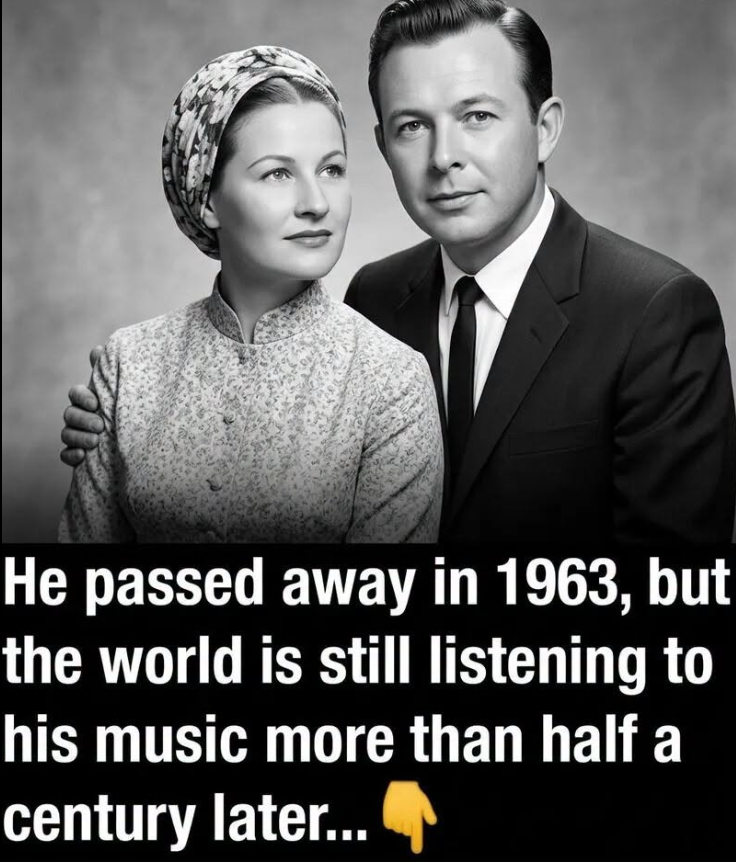
One overheard phone call inside a quiet bar inspired the greatest crossover hit in country history. In 1960, Texas-born singer Jim Reeves released “He’ll Have to Go,” a velvet-voiced ballad that shattered industry boundaries overnight. Before this life-changing record, traditional country music rarely dominated mainstream pop radio stations across America.
Known affectionately as “Gentleman Jim,” the former radio announcer possessed a warm, sophisticated baritone that captivated listeners everywhere. Yet the true magic behind his signature smash came from an unexpected real-life heartbreak witnessed by songwriters Joe and Audrey Allison. Sitting inside a neighborhood lounge, Joe overheard a desperate man pleading quietly into a receiver, begging his lover to lean closer so he could win her back.
Producer Chet Atkins stripped away flashy instrumentation so Reeves’ intimate vocal delivery could shine with raw, unfiltered emotion. What happened when that vulnerable track hit the airwaves—and how did a sudden tragedy just four years later turn “Gentleman Jim” into an eternal legend?
Upon release, “He’ll Have to Go” skyrocketed to number one on the Billboard Country Chart while surging all the way to number two on the mainstream Pop Chart. This monumental crossover success helped define the polished “Nashville Sound,” proving that heartfelt country storytelling could appeal to global audiences without losing its soul. Soon, Reeves was touring internationally as a beloved musical ambassador, while icons like Elvis Presley and Ry Cooder recorded their own tributes to his timeless classic.
Tragically, Reeves’ remarkable rise was cut short in 1964 when he lost his life in a sudden plane crash at only forty years old. Although the fatal accident devastated fans worldwide, his unforgettable baritone continued spinning on jukeboxes and radio stations for decades. His enduring impact eventually earned him a posthumous induction into the Country Music Hall of Fame.
Decades later, “He’ll Have to Go” remains a cultural touchstone featured across movies, television shows, and commercials for new generations to discover. By capturing a universal moment of quiet longing in a simple melody, Jim Reeves created a masterpiece that truly never fades.