In early 2026, a dramatic series of military confrontations between the United States, Israel, and Iran has shaken the Middle East and reverberated around the world, drawing sharp attention to earlier statements by U.S. leaders about Iran’s intentions and capabilities.
At the center of the latest escalation are unprecedented joint strikes on Iranian targets — including, by multiple accounts.
The death of Iran’s Supreme Leader — and a wave of retaliatory missile and drone attacks across the region. These events come amid longstanding tensions over Iran’s nuclear program, regional influence, and relations with both Washington and Tel Aviv.
The contours of this conflict are still evolving rapidly, but the latest developments have reshaped geopolitics in the Middle East and raised global concerns about energy security, international law, and the risk of a wider regional war.
A Historic and Dramatic Escalation in March 2026
In late February 2026, U.S. and Israeli forces launched what officials described as a coordinated air campaign against a range of strategic targets inside Iran.
According to multiple reports, this operation included precision strikes on high‑level Iranian leaders and infrastructure.
Iranian state media later confirmed that Supreme Leader Ayatollah Ali Khamenei was killed during a targeted strike in Tehran, a development that has sent shockwaves through the region and beyond.
The reported death of Khamenei — a central figure in Iran’s political and religious hierarchy for decades — represents one of the most consequential events in modern Middle Eastern history.
It has provoked intense reactions across the Shiite world and reshaped Iran’s internal dynamics, as well as the calculus of its allies and adversaries.
Wider Retaliation Across the Region
In response to the strikes, Iran has launched waves of missile and drone attacks against a wide variety of targets. These have included:
- Israeli territory, including major urban areas such as Tel Aviv and Jerusalem;
- U.S. military bases and allied positions in Gulf states, including Qatar and Bahrain;
- Diplomatic facilities, such as the U.S. consulate in Dubai;
- Civilian infrastructure and international shipping lanes near the Strait of Hormuz.
Regional air defenses have intercepted many of these incoming missiles and unmanned aerial vehicles (UAVs), but hundreds of attacks have still posed grave threats to civilian populations and military personnel alike.
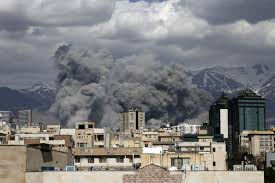
As the conflict enters its second week in early March 2026, reported casualties and economic disruptions are mounting. Civilian deaths, disruptions to global energy supplies, and diplomatic strains have intensified calls for restraint even as military actions continue.
President Trump’s 2025 Statements on Iran
Long before the outbreak of full‑scale hostilities in 2026, President Donald Trump had made public remarks about Iran that reflected his administration’s hard‑line stance toward Tehran — but did not involve any confirmed public revelation of an assassination threat.
In early 2025, Trump adopted a “‘maximum pressure’” strategy toward Iran, which aimed to increase economic and diplomatic pressure to force Tehran toward negotiations on its nuclear program and regional behavior.
During a White House press briefing in February 2025, Trump was asked what the United States’ response would be if Iran attempted any direct attack against him.
In that context, he used stark language, indicating that such an action would provoke a “catastrophic” response from the United States. He stressed that he hoped no nation would ever attempt such a thing, and that the United States would react with overwhelming force if threatened.
What Trump did not state — and what has not been verified by independent sources — is that Iran had communicated any specific plan to assassinate him.
His comments were part of a broader rhetorical strategy emphasizing deterrence: conveying to Tehran that hostile actions against U.S. leadership or interests would result in decisive U.S. retaliation.
Historical Context: Longstanding Tensions with Iran
Nuclear Dispute and Sanctions
For decades, U.S.–Iranian relations have been strained over Tehran’s nuclear activities, ballistic missile development, and support for militant groups throughout the Middle East.
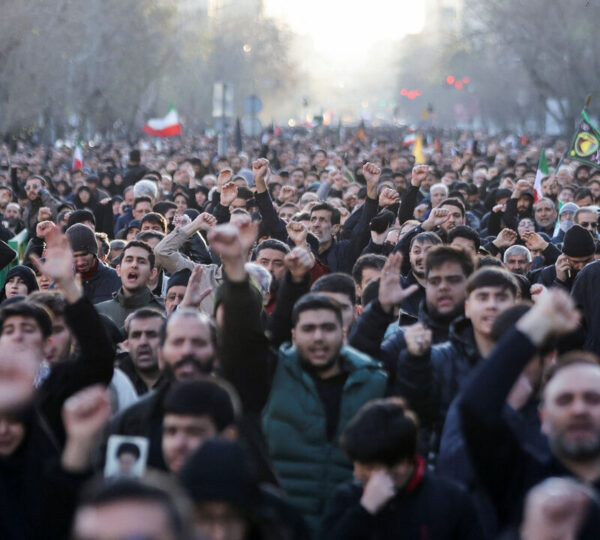
Sanctions and diplomatic pressure intensified thereafter. The 2025 “maximum pressure” campaign built on that legacy.
Proxy Conflicts and Regional Influence
Iran’s relationships with groups such as Hezbollah in Lebanon and Shiite militias in Iraq have long been points of contention with both the United States and Israel.
These alliances have at times led to localized clashes that escalated into broader confrontations. The events of 2026 reflect this dynamic, as Iranian proxies have participated in or responded to strikes against allied territories.
Previous U.S.–Iranian Flashpoints
Historic flashpoints — such as the 2020 killing of Iranian General Qasem Soleimani by a U.S. drone strike — foreshadowed the potential for direct and indirect confrontations between the two countries.
Even at those times, Tehran warned that further escalation could lead to broader conflict. The current phase of hostilities is the most intense since that event.
The Human and Economic Toll
Casualties and Displacement
Reliable figures are still emerging, but estimates suggest hundreds of deaths in Iran alone during the first days of the 2026 conflict, alongside dozens of casualties in Israel, Gulf states, and among U.S. forces. Some reports indicate that several U.S. military personnel have been killed in retaliatory strikes.
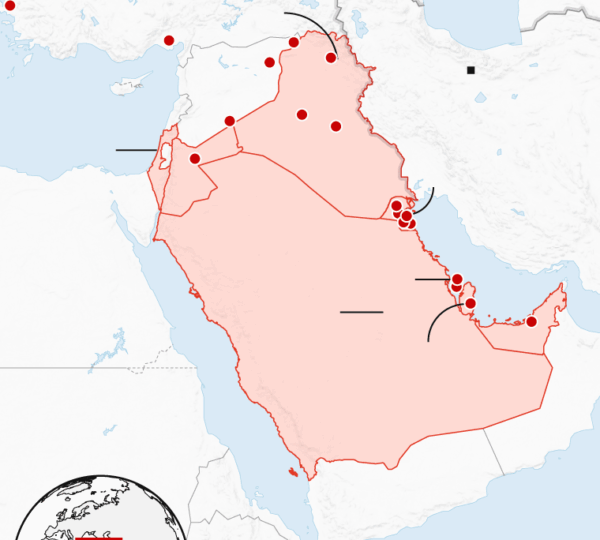
Civilians in cities across the region have faced missile sirens, shelter orders, and infrastructure damage. Hospitals and humanitarian groups are struggling to respond to the resulting chaos and medical emergencies.
Global Economic Shockwaves
One of the most immediate global impacts has been on energy markets. The Strait of Hormuz — through which a significant percentage of the world’s oil supply passes — is effectively closed or operating at greatly reduced capacity due to the conflict.
This has caused oil prices to surge, affecting energy costs worldwide and raising fears of broader economic disruption.
International air travel has also been disrupted, with numerous flights canceled due to safety concerns over regional airspace. Trade and supply chains have been affected as global markets digest the implications of sustained instability in a key energy‑producing region.
International Reactions and Diplomatic Efforts
Governments around the world have called for de‑escalation even as military operations continue. European and Arab leaders have expressed concern about the humanitarian impact and risk of broader destabilization.
Some countries have issued evacuation advisories for their citizens in the region, while others have closed airspace to reduce the risk of missile or drone incursions and protect commercial aviation.
Diplomatic initiatives — both formal and informal — are underway, though substantive negotiations appear to be stalled amid ongoing hostilities.
Major powers such as China and Russia have urged restraint, while also calling for dialogue rooted in existing international frameworks.
The Path Forward: Uncertain and Volatile
As of early March 2026, the conflict remains highly volatile. Military operations span multiple fronts — from aerial bombardment campaigns to cross‑border missile exchanges and proxy engagements — leaving the region in a state of heightened alert.
Analysts caution that the situation could either escalate further or slowly move toward a negotiated ceasefire, but the lack of clear communication channels between combatants complicates such prospects.
President Trump and allied leaders maintain that their actions are aimed at neutralizing perceived threats and defending U.S. interests. Iran, for its part, asserts its right to retaliate against attacks and protect its sovereignty.
The coming days and weeks will be critical in determining whether this conflict extends into a protracted war or whether international diplomacy can reduce tensions.
Conclusion: A Critical Moment in Global Affairs
The current U.S.–Iran confrontation in 2026 is one of the most serious regional crises in recent memory.
While it reflects decades of contention over nuclear ambitions, regional influence, and military posturing, the recent deaths, infrastructure destruction, and geopolitical ripples underscore the human and economic stakes involved.
President Trump’s 2025 rhetoric about “maximum pressure” and deterrence against hostile acts, including hypothetical threats, must be understood against this wider backdrop: a period of deep mistrust and military brinkmanship rather than evidence of any confirmed assassination plots.
What happens next — whether de‑escalation, further conflict, or diplomatic breakthrough — will shape not only Middle Eastern geopolitics but international security in the years ahead.